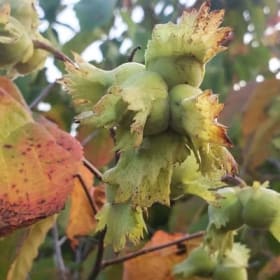
American Hazelnut - 2
US$10
(Two Seedlings - 12-18") Corylus americana, also known as American hazelnut, is a native shrub found in eastern North America. It is a member of the birch family and is known for its edible nuts that are enjoyed by wildlife and humans alike. The plant typically grows in moist woodlands and thickets, reaching heights of up to 15 feet. Corylus americana is valued for its ornamental qualities as well, with its attractive catkins that appear in early spring. Additionally, the plant plays an important role in the ecosystem by providing food and shelter for various species of birds and mammals. Overall, Corylus americana is a versatile and beneficial plant that adds beauty and value to its natural surroundings.
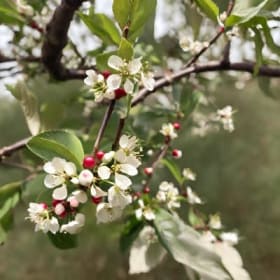
Nanking Cherry - 2
US$10
(Two Plants - 6-10') Prunus tomentosa, the nanking cherry shrub, is often grown for its beauty - a large bush could be drenched in many blossoms. Nearly every blossom becomes a small, semisweet cherry, ripening just after strawberries. Nanking cherry will tolerate drought, searing summer heat, and frigid winters. Plants need cross-pollination, so put in at least two bushes.
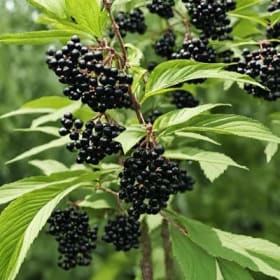
Black Elderberry - 2
US$10
(Two Seedlings - 10-15") The black elderberry tree, or Sambucus canadensis, With its large clusters of white flowers, elderberry is a showy ornamental, and its red berries attract songbirds. The berries can also be made into wines, jellies, and pies. Elderberry is easy to grow and is seldom attacked by diseases or insects. Elderberry must be cross-pollinated to produce fruit, so plant two or more shrubs. This shrub prefers full sun and does best in moist soils, but is drought tolerant. Fruits ripen in August to September and
are eaten by many species of birds and mammals.
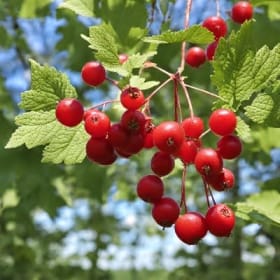
Highbush Cranberry - 2
US$10
(Two Seedlings - 6-12") The highbush cranberry plant, also known as Viburnum trilobum, is a versatile shrub native to North America. It can grow up to 15 feet tall and has dark green leaves that turn red in the fall. The plant thrives in various climates and soil conditions. Its bright red berries are used in jams, jellies, and sauces, and are a food source for birds and wildlife. Native Americans used different parts of the plant for medicinal purposes. However, highbush cranberry plants require regular pruning and may be susceptible to pests and diseases. Overall, the highbush cranberry plant is a valuable addition to any garden.
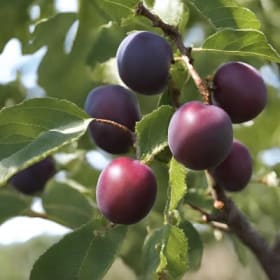
American Plum - 2
US$10
(Two Seedlings - 15-25") The American plum, also known as Prunus americana, prefers partial sun to full sun, and soil should be moist. Fruits ripen in late August and are red or purplish with a tough, astringent skin. American plum is cultivated for its edible fruit and attractive flowers. It is used for windbreaks, wildlife plantings, and erosion control because it requires no special maintenance, is fast-growing, and drought resistant.
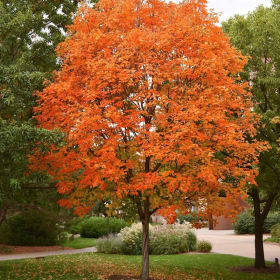
Sugar Maple - 2
US$10
(Two seedlings 50-70’) Acer saccarum, Wisconsin's state tree is the sugar maple. Sugar maple is a favorite shade tree with reliable fall color. Sugar maple may easily grow to 40 feet wide and thrives when it is planted into rich, moderately deep soils having even moisture coupled with good drainage. Susceptible to sun scalding when planted in open fields.
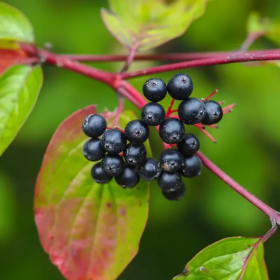
Nannyberry - 2
US$10
(two seedlings - 12 - 18", mature height 15') Nannyberry blooms beautiful and elegant flowers in the early summer. Its blue-black fruit is persistent and a great late-season source of food for wildlife. This large, arching shrub or small tree, has glossy green leaves and forms thickets. Nannyberry can also be used as good windbreak. Wet or dry soils, and full sun to part shade are good conditions for the plant.
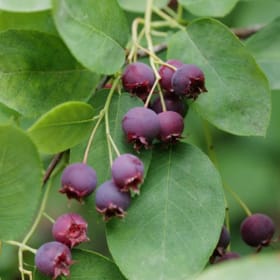
Saskatoon Serviceberry (Juneberry) - 2
US$10
An easily grown plant that prefers full sun to partial shade. White flowers are produced before the plants come into leaf early to mid-spring, and are usually produced so abundantly that the whole plant turns white. Early to mid-July, the plants will usually be carrying large crops of fruits. Come autumn, the plant once more makes its presence as the leaves take on lovely yellow and red shades of autumn color. It prefers moist, well-drained soil but will tolerate clay soil.
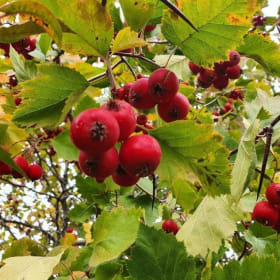
Washington Hawthorne - 2
US$10
Washington Hawthorn grows at a medium rate and, in bloom, has showy white flowers. It also provide important nectar for bees. This tree has bright red berries that persist into the winter. These berries provide great wildlife food throughout the winter.
- Seedling Size: 6-12"
- Mature Height: Grows to 25-30'
- Sunlight: Full Sun
- Moisture: Dry-Wet
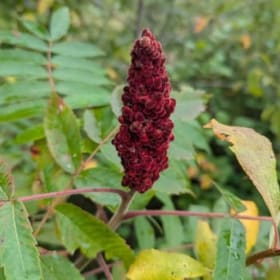
Staghorn Sumac - 2
US$10
Staghorn sumac is can range from 3 to 33 feet tall, usually tree-like, but in thickets, and occasionally shrubby. It is strongly rhizomatous. The stem may reach 10 inches diameter. Twigs are stout, densely red hairy and 5/8 to 3/4 inches thick. Leaves are alternate and pinnately compound.
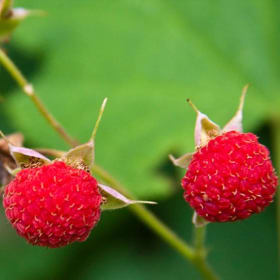
Thimble Berry -2
US$10
Thimbleberry is a perennial shrub native to the Upper Peninsula and parts of lower Michigan. It is normally 3 feet in height in the U.P., but may reach 6 feet. This plant tends to spread densely by rhizome, which is great from a food production standpoint. White flowers appear in early summer, followed by edible red berries. Berries are similar to raspberries, but tend to be shorter, wider, softer, and more tart which is for excellent jam. Birds and mammals also like the fruit. Leaves and bark can also be used for various purposes. Although a member of the rose family, Thimbleberries do not have thorns or pickers.
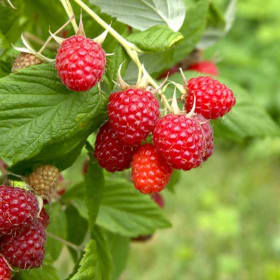
Raspberry - 3
US$10
(Three Seedlings)
Raspberry plants produce delicious tart, small fruits for you to pick and enjoy, or use them in a variety of recipes. They can self pollinate but benefit greatly from pollinators
- Raspberry plants require full sun and prefer rich yet well drained soil.
- Space them 18-24 inches apart
- Raspberries prefer soil with a pH between 5.5 and 6.5
- Use a trellis for the best results
- Irrigate regularly
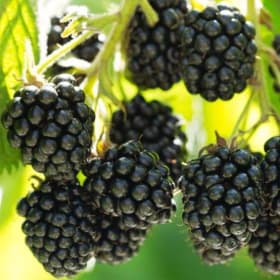
Blackberry - 3
US$10
Blackberries are sweet and make for excellent jams and baked goods.
- Plant them in full sun
- Use a trellis for the best results
- Space each plant 46-48 inches apart
- Blackberries prefer soil with a pH level of 6.5-6.8
- Irrigate regularly
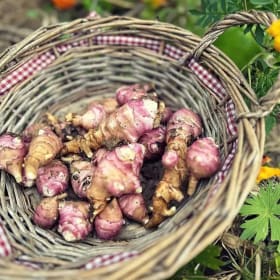
Jerusalum Artichokes -10
US$10
Sun chokes are a tuber vegetable that grows super easily and spread very quickly. Plant them 12 to 18 inches apart and 4 to 6 inches deep.
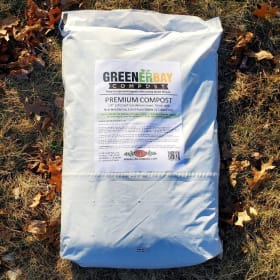
(1) Cubic Foot bag of 1/4" Screened Local Compost
US$30
Get your plants off to a strong start with high-quality local compost!
(1) Cubic Foot bag of 1/4" Screened Compost by Greener Bay Compost: Premium Soil Amendment, Made with Nutrient-Dense, Local Food Waste. Ideal for gardens, houseplants, seed-starting, lawns, athletic fields, and other applications which require a small particle size, such as compost tea production.
* Made Primarily from Food Waste
* Contains No Cow or Horse Manure, Bio-Solids, or Anaerobic Digestate
* Painstakingly Screened for Contaminants at Every Step of the Composting Process
* Made in Northeastern Wisconsin
$5 of each bag will go to New Leaf Foods and its mission. Thank you to Greener Bay Compost for this fantastic partnership!
Compost is pre-order only. The last day to order compost is May 2nd for pick up on May 9th.
Add a donation for New Leaf Foods, Inc.
$
Did you know? We fundraise with Zeffy to ensure 100% of your purchase goes to our mission!