
Offered by
Reverts Connect Foundation
Books Collection #2

The Book of Repentance
$10.50
Author: Muḥammad Metwally ash-Shaʿrāwī / Translated by Zaid Yousef / Edited by Shoaib Shah
At a time when people are encouraged to flaunt and take ‘pride’ in their sins, it seems more relevant than ever to raise awareness regarding the concept of tawbah, or repentance. It is from Allah’s immense mercy to His servants ﷺ that the doors of repentance are kept open right up to our final breaths. Our Creator, the Most Subtle ﷺ, is aware that we will inevitably err and sin. This short book compiles sections of Shaykh Muḥammad Metwally ash-Shaʿrāwī’s lectures that discuss the various facets of repentance to help us realise its reality and necessity. It also includes discussions centred around Allah’s infinite mercy ﷺ so that we never tire from repentance. We deemed it appropriate to have these sections accompanied by Ibn ʿAsākir’s Kitāb at-Tawbah and Ibn Rajab’s Asbāb al-Maghfirah. The combination of these works on repentance, Allah’s mercy and His forgiveness ﷺ will no doubt prove an invaluable source for our eternal good fortune bi-idhni ’llāh.
0
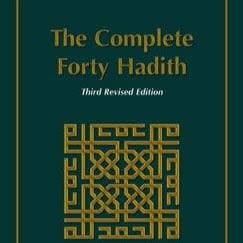
The Complete Forty Hadith
$18.90
Author: Imam an-Nawawi
Imam an-Nawawi compiled his collection of forty hadith with the minimum of fiqh and commentary necessary so that they would not be misunderstood by people. Ibn 'Unaynah said, 'Ahadith are misleading except to those who have fiqh'. This collection of ahadith contains essentially useful knowledge.
0

The Complete Forty Hadith of Imam an-Nawawi - Hardcover
$23.10
Author: Imam an-Nawawi
Imam an-Nawawi compiled his collection of forty hadith with the minimum of fiqh and commentary necessary so that they would not be misunderstood by people. Ibn 'Unaynah said, 'Ahadith are misleading except to those who have fiqh'. This collection of ahadith contains essentially useful knowledge.
0
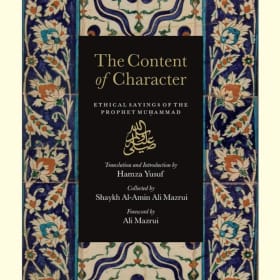
The Content of Character: Ethical Sayings of the Prophet Muh
$15.75
Author: Shaykh Al-Amin Mazrui/translated by Shaykh Hamza Yusuf
As a scholar, Shaykh Al-Amin Mazrui attempted to be a bridge between Islam and modernity. He argued that while Christianity became the vanguard of progress when it became more secular and less Christian, Islam was the vanguard of progress when it was more Islamic and less secular. According to Shaykh Al-Amin, progress among Muslims required not the abandonment of Islam but the recovery of the original spirit of Islamic enlightenment. Shaykh Al-Amin's choice of these favored sayings of the Prophet (ﷺ) in "The Content of Character" --translated and introduced here by the well-known American Muslim scholar Hamza Yusuf -- was influenced by his effort to be a bridge--builder, especially between the values of tradition and the norms of modernity, between the wisdom of religion and the compassion of humanity. Contains original Arabic text of hadiths as well.
0

The Forty Hadith on the Virtues of al-Madinah al-Munawwarah
$31.50
Author: Shaykh Muhammad Bin Yahya al-Ninowy / Translated by RASHAD JAMEER
Part 1:
The Forty Hadith on the Virtues of al-Madinah al-Munawwarah, is an exceptional compilation of hadith by Shaykh Muhammad Al Ninowy, offering deep insight into the revered city of Madinah. It highlights the unparalleled virtues of this blessed city, making it a source of inspiration for every true lover of the final Messenger ﷺ.
Through meticulously selected narrations, this work illuminates the immense benefits and blessings associated with visiting Madinah and, more specifically, the sacred presence of the Messenger ﷺ. Each hadith serves as a reminder of the spiritual significance of this journey, guiding the hearts of those who seek closeness to the Prophet ﷺ.
Part 2:
Good Tidings for Lovers Visiting the Final Messenger ﷺ, offers practical tips, insights, and suggestions drawn from the author’s personal experiences and the wisdom passed down by scholars and teachers.
The author provides a step-by-step guide on how to approach a visit to the Final Messenger ﷺ, offering clear and concise advice. Alongside these practical tips, he shares his own firsthand experiences in navigating the emotional, mental, and spiritual aspects of this noble visitation.
Shaykh Muhammad Al Ninowy’s account of his innermost thoughts before entering the blessed precincts is deeply relatable, taking the reader on a journey to the very threshold of the Prophetic Masjid.
Whether you're planning to embark on the sacred journey of Umrah, or Hajj, this book is an invaluable companion. It is not only an essential read for anyone visiting Madinah, but also a cherished addition to any Muslim home library, enriching the soul and fostering an intimate connection with the beloved Prophet ﷺ.
0

The Forty Sacred Transmissions of Abū Hurayrah
$8.40
Author: Mawlana Muhammad ibn Ahmad Batha / Translated by Mawlana Abdus Subhan ibn Amanulla Dalvi / Edited by Shoaib Shah
This carefully curated collection of forty Qudṣī Ḥadīth - transmitted by the eminent companion Abū Hurairah ﷺ - offers readers a glimpse into the intimate relationship between the Creator and His creation. From lessons on mercy, forgiveness, and love to reflections on divine justice and the promise of Paradise, these narrations nurture the soul and inspire action. The publication also explores the biography of the companions.
0
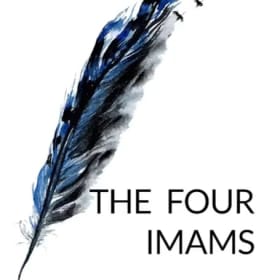
The Four Imams Adapted by Ali Hammuda
$21
Author: Shaikh Ali Ihsan Hammuda
The Four Imams provides an engaging and informative account of the four most well-renowned Imams in Islamic history - Iman Abu Hanifa, Imam Malik, Imam Shafi'i and Imam Ahmad. Adopting a story-telling style, it relays biographical information, summarising their fascinating life journeys, alongside lessons and conclusions that have real-world application for the reader in an age-appropriate manner.
About the Author:
Shaikh Ali Ihsan Hammuda resides in the UK and is originally from Palestine. He gained bachelors and masters’ degrees in Architecture & Planning before achieving a BA in Shari'ah from al-Azhar University in Egypt. He is currently based in Wales and is a visiting Imām at Al-Manar Centre in Cardiff, and also a senior researcher and lecturer for the Muslim Research & Development Foundation in London. Shaykh Ali is the author of several books and delivers sermons, lectures and regular classes across the country.
0

The Hundred Years' War on Palestine: A History of Settler Co
$26.25
Author: Rashid Khalidi
A landmark history of one hundred years of war waged against the Palestinians from the foremost US historian of the Middle East, told through pivotal events and family history
In 1899, Yusuf Diya al-Khalidi, mayor of Jerusalem, alarmed by the Zionist call to create a Jewish national home in Palestine, wrote a letter aimed at Theodore Herzl: the country had an indigenous people who would not easily accept their own displacement. He warned of the perils ahead, ending his note, “in the name of God, let Palestine be left alone.” Thus Rashid Khalidi, al-Khalidi’s great-great-nephew, begins this sweeping history, the first general account of the conflict told from an explicitly Palestinian perspective.
Drawing on a wealth of untapped archival materials and the reports of generations of family members - mayors, judges, scholars, diplomats, and journalists - The Hundred Years' War on Palestine upends accepted interpretations of the conflict, which tend, at best, to describe a tragic clash between two peoples with claims to the same territory. Instead, Khalidi traces a hundred years of colonial war on the Palestinians, waged first by the Zionist movement and then Israel, but backed by Britain and the United States, the great powers of the age. He highlights the key episodes in this colonial campaign, from the 1917 Balfour Declaration to the destruction of Palestine in 1948, from Israel’s 1982 invasion of Lebanon to the endless and futile peace process.
Original, authoritative, and important, The Hundred Years' War on Palestine is not a chronicle of victimization, nor does it whitewash the mistakes of Palestinian leaders or deny the emergence of national movements on both sides. In reevaluating the forces arrayed against the Palestinians, it offers an illuminating new view of a conflict that continues to this day.
0

The Infallibility of the Prophets (AS)
$31.50
Author: Shaykh Muhammad Ali Al-Sabuni / Introduction by Shaykh Muhammad b. Yahya al-Ninowy / Translated by Rayshaud Jameer
In the Muslim community, the Prophets and Messengers are held in the highest regard as the pinnacle of God’s creation—the best of the best and sinless. Unfortunately, within the Muslim community, there are misunderstandings regarding the Prophets. Whether it be the famous movie about Islam entitled The Message or the self-titled television series which aired in 2012 about the life of ʿUmar b. al-Khattāb, many Muslims are not quite sure about how to approach the religiously-sensitive issue of depicting religious figures, particularly the Prophets.
In this succinct treatise, Imam al-Sabuni skilfully dispels any aspersions or misunderstandings from the life and times of the noble Prophets and Messengers of God. He provides a thorough exploration of the concept of infallibility using Arabic etymology and canonical Islamic texts, demonstrating their protection from God and immunity to sin.
Written by Imam Muhammad Ali Al-Sabuni, a leading scholar of Sunni orthodox Islam and author of Safwat al-Tafasir, one of the most widely accepted tafsirs of the Qur’an in the modern era.
The book also includes an introduction from renowned academic and spiritual guide, Shaykh Muhammad b. Yahya al-Ninowy. Both scholars provide consistent references to Qur’anic verses and precise exegeses to demonstrate the validity of their argument.
0

The Leadership of Muhammad ﷺ: A Historical Reconstruction
$31.50
Author: Joel Hayward
Given Prophet Muhammad’s ﷺ immense impact on history, there are surprisingly few books that specifically analyse his leadership. The few that exist maintain that Muhammad ﷺ was a wonderful leader because he was a wonderful man; that is, he succeeded in his mission because of his superior morality and personal qualities.
Although it is widely agreed that Muhammad ﷺ was a moral and decent man, this explanation seems incomplete and almost inadequate. Joel Hayward approaches the Prophet’s ﷺ leadership from a different vantage point by scrutinising ancient sources to ascertain whether Muhammad’s ﷺ conscious actions, behaviour, and methods can provide any substantial and meaningful insights about the effectiveness of his strategic leadership.
Through meticulous research and rigorous analysis, Hayward demonstrates that Muhammad ﷺ was an uncommonly astute and self-reflective man with the ability to create and communicate a believable strategic vision of a necessary and desirable future. This engaging yet deeply scholarly book makes a major contribution to both leadership studies and the Prophet’s ﷺ biography
0
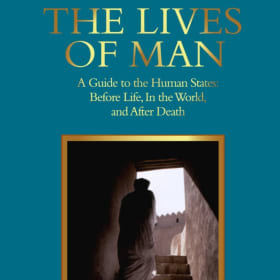
The Lives of Man
$21
Author: Imam al-Haddad
What happens after Death? Who are "Munkar and Nakir?" What will Heaven and Hell be like? What signs should we expect before the day of Judgement? Who is the Dajjal? When will the Mahdi appear? These and many other questions are answered, on the basis of the Qu'ran and Hadith, in this fascinating book. Imam al-Haddad explains that every human being passes through the "lives:" before conception, life in the world, life in the grave, the Resurrection, and finally, the Garden of the Fire. A complete Muslim must be aware of each of these if he is to be sufficiently prepared for eternal life.
The author, Imam al-Haddad lived in Tarim in the Hadramant Valley between Yemen and Oman, and is widely held to have been the 'renewer' of the Islamic century. He was a noted authority on the Shafi'i school of jurisprudence, and a writer on devotional matters, both in poetry and prose. His works have been translated into many languages.
0

The Moor's Last Stand: How Seven Centuries of Muslim Rule in
$31.50
Author: Elizabeth Drayson
The Moor's Last Stand presents the poignant story of Boabdil, the last Muslim king of Granada.
Betrayed by his family and undermined by faction and internal conflict, Boabdil was defeated in 1492 by the forces of King Ferdinand and Queen Isabella of the newly united kingdoms of Castile and Aragon. The Christian victory marked the completion of the long Christian re-conquest of Spain and ended seven centuries in which Christians, Muslims, and Jews had, for the most part, lived peacefully and profitably together. Five centuries after his death, Boabdil continues to be a potent symbol of resistance to the forces of western Christendom, and his image endures in contemporary culture.
Based on original research in the region by a leading historian of Granada, this book presents a vivid account of Boabdil's life and times and considers the impact of his defeat then and now.
“The Moor’s Last Stand manages to make a relatively overlooked historical character into a three-dimensional figure.”
— Foreword Magazine
0

The Muslim (M)other: Social and Political Commentary on..
$26.25
Author: Mariya Bint Rehan
The Muslim mum is the most fertile political symbol of our times – heralded as both the solution and cause to many of the issues that erroneously come to define Muslim communities in our now globalised world. Muslim mums who are continuously spoken down to, at, or for, and very rarely conversed with in a language that sees and understands us beneath the suffocating extraneous layers of media sensationalism and political discourse.
In the first of its kind, The Muslim (M)other looks at the blessed and fraught experience of mothering when Muslim in contemporary political times. Amidst the textures of an accelerating digital age, ubiquitous Islamophobia and an increasingly commercialised cultural climate that impacts us in ways obvious and untold.
0

The Productive Muslim
$31.50
Author: Mohammed Faris
Ever wondered if there's a practical way to lead a productive lifestyle that combines the best of Islamic tradition and modern psychology and science? In "The ProductiveMuslim" Mohammed Faris, the founder of ProductiveMuslim.com, provides this practical framework that helps urban global Muslims lead a productive lifestyle Spiritually, Physically, and Socially.
0

The Prophet(ﷺ)'s Hajj
$23.10
Author: Mufti Muhammad Khan
The Prophet(SAW)'s Hajj allows the reader to witness and be spiritually part of this journey with a step by step account of the prophet`s (P.B.U.H) 26 day journey, from his preparations for leaving Madeenah to his invitation to the people on his return. No pilgrim should undertake this holy journey without having read this book. on numerous occasions during the journey the Prophet (P.B.U.H) ordered the companions to seek the rituals of Hajj from him as was unlikely to perform Hajj again, and indeed this was his only Hajj, with his passing away 81 days after Hajj.
0

THE SECOND COMING of JESUS
$15.75
Author: Imam Jalal al-Din Al-Suyuti / Translation and Notes by Rashad Jameer
THE SECOND COMING of JESUS (عليه السلام), (Nuzul 'Isa Ibn Maryam fi Akhiru al-Zaman) authored by the Polymath, Imam al-Suyuti, is considered one of the only books on this topic that resolves some of the most important, yet commonly misunderstood issues on this topic, with clarity, precision and brevity, while avoiding controversy. Hafiz al-Suyuti covers issues such as the descent of Prophet Jesus (عليه السلام) at the End of Time, his tile spent on earth as a ruler, his killing the Dajjal (Antichrist), his praying salat behind the awaited imam Mahdi, his managing the Muslim National Treasury (Bayt al-Mal), and many other issues linked to this topic. This Treaties, coupled with our translation of Moulana Anwar Shah Kashmiri's Tasrih: Tawaatur-Hadiths on the Second coming of Jesus (عليه السلام) - which contains beneficial footnotes by the eminent scholar shaykh Abdul-Fattah Abu Ghuddah - will clarify the reality of the Second Coming of Jesus (عليه السلام) for the Muslim Ummah for generations to come, InshaAllah!
0

The Straight Path: How Surah al-Fatiha Addresses Modern...
$26.25
Author: Dr. Nazir Khan
The Straight Path offers a bold perspective, showing how Surah al-Fatiha directly challenges the dominant ideologies of our time, ideologies that underpin the confusion, injustice, and even atrocities we see today. Nowhere is this failure more evident than in the genocide in Gaza, a grim example of the ethical collapse of secular modernity.
0

The Testament to Faith: Forty Hadith on the Virtues of the..
$23.10
Author: Imam Yusuf al-Nabhani / Translated by Ahmad Derrick Peat
This book is a collection of forty hadith narrations on the virtues of the kalima, compiled by the great Palestinian scholar of the late Ottoman era, Imam Yusuf al-Nabhani. The Imam writes:
"I had seen a precious book titled Tanbih al-Awwah fi Fadl La Ilaha Illa Allah penned by my master, Shaykh Muhammad al-Bakri al-Kabir....In it, he mentions one hundred and nine hadiths on the merits of 'There is no god but Allah,' which include a large number of repetitions. Thus, I selected from them forty hadiths, mostly sounds and good, eliminating repetitions. These are the best of the best."
While apparently simple, this significance and depth of this collection continues to reveal itself with each subsequent reading. As one of the narrations in this collection states:
"...if the seven heavens and the seven earths were to be placed in the pan [of a scale] and the words 'There is no god but Allah' were to be placed in the other, then 'There is no god but Allah' would outweigh them." (al-Tabarani with a sound chain)
This collection includes hadith from all the major collections, including a number reported by both Imam al-Bukhari and Imam Muslim.
0
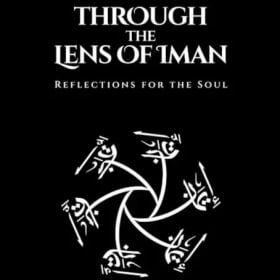
Through The Lens of Iman: Reflections for the Soul
$21
Author: Mufti Muhammad Taqi Usmani
In our current times, it is easy to get distracted by the temptations of the material world. The never-ending competition of acquiring fame and ostentation may blur one's purpose in life. Acquiring the knowledge of deen is important when aiming to reorient life matters. One of the best ways to do that is to find the company of those who remind us of Allah.
Through the Lens of Iman is a compilation of enlightening and thoughtful speeches of Shaykh Mufti Muhammad Taqi Usmani. This short book aims to draw our attention to the ordinary matters of everyday life and how one can increase one's consciousness according to the teachings of the Qur'an and Sunnah.
0

Towards Understanding Hadith Exploring Ten Key Issues
$21
Author: Imam Abd al-Hayy al-Laknawi / Translated by Hamzah Hassan / Edited by Shoaib Shah
In 1291/1875, during his stay in Hyderabad Deccan, Imam al-Laknawī responded to ten questions concerning the hadith sciences posed by the Ahl-e-Hadith scholar ʿAllāmah Muḥammad Ḥusayn al-Lāhawrī, which resulted in this indispensable work. The text emphasises the importance of the chain of narration (isnād) in all religious matters and discusses weak hadiths, their conditions, and implementation. It also evaluates various collections of hadiths and Qur’anic exegeses, assessing the authority of narrations within them. It offers a framework for resolving conflicting scholarly verdicts concerning hadith grading and narrator analysis and addresses how to navigate ostensibly conflicting hadith texts. Additionally, it explores the legal implications when a Companion does not implement a hadith he narrates and tackles situations where a Companion’s word or deed contradicts a Prophetic hadith. The work’s value is enhanced by the teeming annotations from Shaykh ʿAbd al-Fattāḥ Abū Ghuddah. It is a crucial resource for anyone utilising hadiths in any capacity and fills a gap in English-language literature on these topics.
0
Did you know? We fundraise with Zeffy to ensure 100% of your purchase goes to our mission!