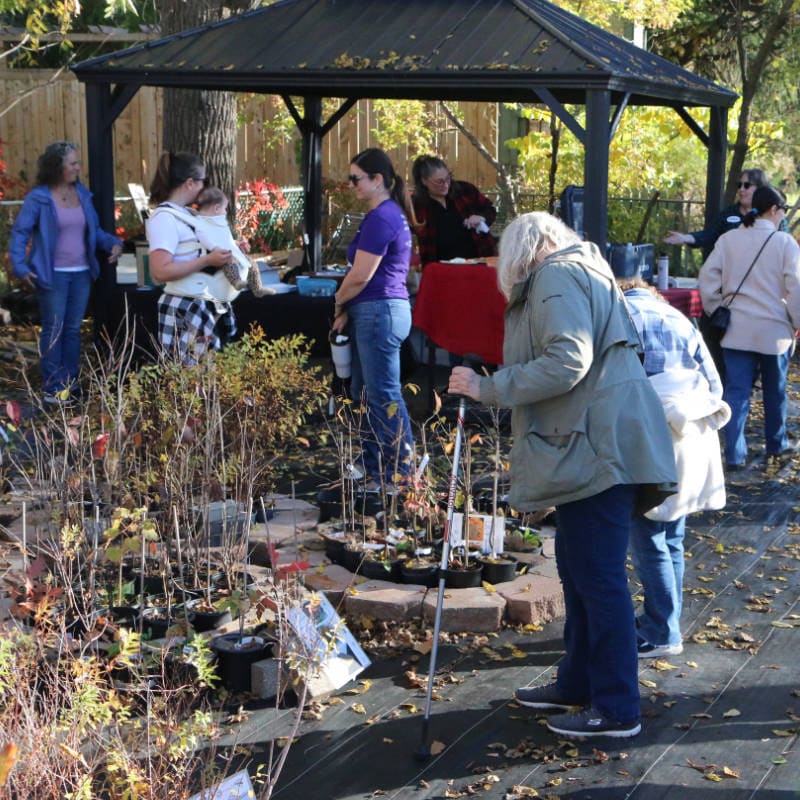

Native Tree & Shrub Store
Sort by category
Abies balsamea - Balsam Fir 2G
$30
Needles 2 to 4 centimetres long. Bark is Greyish in colour & covered in sap blisters. Cones/Buds range from red and purple to bluish green in colour. Flowers develop into compact cones. Grows in all soil moisture levels. Bark is consumed by porcupine, squirrels cache cones and several types of birds will feed on the seeds and buds. The tree provides cover for small rodents, birds and large mammals. Balsam firs are often used as Christmas trees because they smell nice, and keep their needles for a long time after being cut down.
0
Acer spicatum- Mountain Maple 1G
$20
The Mountain Maple is Ontario's smallest maple species, growing as a hardy, multi-stemmed shrub or small tree that typically reaches 20-35 feet tall. Naturally found in cooler, shaded environments, it thrives in moist, acidic soils and is especially important in riparian areas, where its dense root system helps stabilize banks and prevent erosion. Its distinctive three-lobed, saw-toothed leaves emerge in a dark yellow-green and transform into beautiful mottled orange to bright red in the fall. Supporting a wide range of wildlife-from deer and moose to birds and small mammals-this adaptable, shade-tolerant native is a valuable choice for naturalized areas and eco-friendly plantings.
0
Acer freemanii- Freeman Maple 1G
$20
The Autumn Blaze Maple (Freeman’s Maple) is an award-winning, fast-growing tree that brings stunning crimson-red colour to your landscape each fall. A natural hybrid of silver and red maples found in southern Ontario, it combines the rapid growth of silver maple with the strength and vibrant colour of red maple. Adaptable and hardy, it thrives in a range of conditions—including wetter soils—making it an excellent choice for a variety of yards. A reliable, low-maintenance tree, it’s a standout option for anyone looking to add quick growth and brilliant seasonal colour.
0
Acer rubrum- Red Maple 1G
$20
The Red Maple is a classic Ontario tree known for its brilliant red fall colour and graceful, rounded shape. Growing up to 25 metres tall, it features light green, lobed leaves that turn vibrant red in autumn and smooth grey bark that deepens and textures with age. Thriving in full sun and a wide range of soils, it prefers moist conditions but can tolerate some drought, making it a versatile choice for many landscapes. Native to southern Ontario, it also supports local wildlife, providing food for squirrels, deer, and rabbits. With its striking seasonal beauty and ecological value, the Red Maple is a timeless addition to any yard.
0
Acer rubrum- Red Maple 2G
$30
The Red Maple is a classic Ontario tree known for its brilliant red fall colour and graceful, rounded shape. Growing up to 25 metres tall, it features light green, lobed leaves that turn vibrant red in autumn and smooth grey bark that deepens and textures with age. Thriving in full sun and a wide range of soils, it prefers moist conditions but can tolerate some drought, making it a versatile choice for many landscapes. Native to southern Ontario, it also supports local wildlife, providing food for squirrels, deer, and rabbits. With its striking seasonal beauty and ecological value, the Red Maple is a timeless addition to any yard.
0
Acer saccharinum- Silver Maple 1G
$20
The Silver Maple is a fast-growing, large shade tree that can reach up to 35 metres tall, making it an excellent choice for quickly adding canopy and privacy to open spaces. Its light green, deeply lobed leaves create a full, airy crown and turn a soft yellow or brown in the fall, while its bark develops a distinctive shaggy texture with age. Native across much of Ontario, it thrives in moist, rich soils and full sun, though it can tolerate some shade. Ideal for larger properties, this adaptable tree supports local wildlife by providing food and habitat for birds and small animals—but due to its size and spreading roots, it’s best planted well away from buildings and infrastructure.
0
Aesculus glabra- Ohio Buckeye 1G
$20
The Ohio Buckeye (Aesculus glabra) is a striking, medium-to-large native tree that can reach up to 21 metres tall, known for being one of the first trees to leaf out in spring. A relative of the horse chestnut, it features dense, lush foliage and beautiful upright clusters of white flowers that add seasonal interest to any landscape. Preferring full sun to partial shade and moist, well-drained soils, the Ohio Buckeye is both adaptable and visually appealing, maki
0
Aronia melanocarpa- Black Chokeberry 1G
$20
Aronia melanocarpa is a hardy, adaptable native shrub that typically grows to about 1.8 metres (6 feet) and thrives in full sun to partial shade and a wide range of soil conditions. Often found in wet areas and along stream banks, it produces clusters of delicate white flowers in spring, followed by small, dark, edible berries in summer. Its foliage adds seasonal interest, turning a rich burnt orange to purple in the fall, making it a beautiful and functional choice for naturalized plantings and wildlife-friendly gardens.
0
Asimina triloba- Paw Paw 1G
$20
Current stock is quite small and slow growing. The Pawpaw is a unique native tree that typically reaches up to 10 metres tall and is known for producing North America’s largest native tree fruit. Thriving in part shade and moist, nutrient-rich soils, it features large, thin green leaves and distinctive reddish-purple flowers that grow directly from the stem in spring. In late summer, it produces clusters of yellow-green, custard-like fruit with a flavour often described as a blend of banana, mango, and pineapple. Native to Southwestern Ontario, including the Niagara region, the pawpaw is also ecologically valuable—supporting wildlife and serving as the host plant for the zebra swallowtail butterfly.
0
Betula alleghaniensis- Yellow Birch 1G
$20
The Yellow Birch is a slow-growing, medium-sized native tree that can reach up to 25 metres tall and is known for its beautiful, distinctive bark. Its thin, shiny bark starts as reddish-brown and gradually turns a golden yellow before maturing to a bronze tone, giving the tree its name and year-round visual interest. With deep yellow-green leaves that create a soft canopy, it prefers moist, rich soils and is moderately shade tolerant, making it well-suited to forested or naturalized settings. Found across much of Ontario, the Yellow Birch supports local wildlife and adds long-lasting beauty and value to the landscape.
0
Betula papyrifera- White Birch 1G
$20
The White Birch (Paper Birch) is a graceful, medium-sized native tree that can reach up to 25 metres tall and is well known for its striking white, peeling bark. Its smooth, thin bark sheds in large sheets, revealing a bright white trunk that adds year-round visual appeal to the landscape. With egg-shaped, green leaves that create a light, airy canopy, this tree thrives in full sun and adapts to a variety of soils and moisture conditions. Found throughout most of Ontario, the White Birch is a beautiful, fast-growing choice that supports local wildlife and brings a classic, natural elegance to any setting.
0
Carpinus caroliniana- Blue beech 1G
$20
The Blue Beech, is a small, slow-growing native tree that reaches about 8 metres tall and is prized for its elegant, low-maintenance form. It features distinctive smooth grey bark with muscle-like ridges, giving it a unique, sculpted appearance, along with blue-green leaves that add subtle colour and texture throughout the growing season. Highly adaptable, it thrives in rich, well-drained soils and can tolerate both full sun and full shade when moisture is adequate, making it a versatile choice for a variety of landscapes. Found in southern Ontario’s forested areas, the Blue Beech also supports local wildlife, providing food and habitat for birds, mammals, and pollinators while adding natural beauty to any space.
0
Catalpa speciosa- Northern Catulpa 1G
$20
The Northern Catalpa (Catalpa speciosa) is a striking, medium-to-large ornamental tree that typically reaches 40–60 feet tall and is valued for its bold, showy features. It produces large, heart-shaped leaves and stunning clusters of fragrant, orchid-like white flowers with purple and orange markings that bloom in spring—making it a magnet for pollinators. Adaptable and tolerant, it thrives in full sun to partial shade and can handle a range of soil conditions, including wet, dry, and even urban environments. With its upright form, eye-catching blooms, and distinctive long seed pods, the Northern Catalpa is an excellent choice for adding shade, beauty, and ecological value to your landscape.
0
Ceanothus americanus- New Jersey Tea 1G
$20
New Jersey Tea (Ceanothus americanus) is a compact, low-growing native shrub that typically reaches about 3 feet tall and is well known for thriving in hot, dry conditions. It features dense, rounded growth with medium to dark green leaves that are softly gray and hairy underneath, and produces clusters of small, fragrant white flowers from early to mid-summer that attract bees, butterflies, and hummingbirds. Exceptionally adaptable, it tolerates drought, poor soils, and even rocky or challenging sites, while its nitrogen-fixing roots help improve soil health. Supporting wildlife and adding seasonal interest with its delicate blooms and yellow winter twigs, New Jersey Tea is a beautiful, resilient addition to any native planting.
0
Celastrus scandens- Bittersweet 1G
$20
Bittersweet (Celastrus scandens) is a vigorous native climbing vine that can reach up to 50 feet when supported by trees or structures, adding bold vertical interest to the landscape. Bittersweet thives in full sun to partial shade and medium to dry soils. In fall, it produces striking orange capsules that split open to reveal bright red berries, creating a dramatic display that is highly attractive to birds but toxic to humans. With its twining growth habit, it can also form a dense, shrub-like structure when support is limited. Valued for its seasonal colour and wildlife benefits, Bittersweet is a beautiful native plant that brings both ecological value and ornamental appeal.
0
Celtis occidentalis- Hackberry 1G
$20
The Hackberry (Celtis occidentalis) is a resilient, medium-sized native tree that can reach up to 15 metres tall, known for its toughness and adaptability in urban environments. It produces small, pea-sized berries that ripen to a red-purple colour and often remain on the tree through winter, providing a valuable food source for birds and small mammals. With a broad, rounded canopy and tolerance for a wide range of conditions, Hackberry is a reliable and underappreciated choice for adding shade, habitat, and year-round wildlife support to your landscape.
0
Celtis tenifolia- Dwarf Hackberry 1G
$20
The Dwarf Hackberry (Celtis tenuifolia) is a rare, threatened native shrub or small tree that typically grows 1–4 metres tall (occasionally up to 10 metres), making it a unique and valuable addition to natural landscapes. It thrives in full sun to partial shade and prefers well-drained, sandy, drought-tolerant soils. Producing small, round orange fruits that are a favourite food for songbirds, this species plays an important role in supporting local wildlife while adding ecological value to your planting. Compact and resilient, the Dwarf Hackberry is a meaningful choice for conservation-minded gardens.
0
Cephalanthus occidentalis- Button Bush 1G
$20
Buttonbush (Cephalanthus occidentalis) is a unique native shrub that typically grows 1–3 metres tall and thrives in full sun to partial shade, especially in moist, organic soils and wet areas. It produces distinctive pincushion-like white flowers that bloom in summer and are highly attractive to hummingbirds, butterflies, and other pollinators. With its lush foliage and beautiful fall colour, Buttonbush adds both visual interest and ecological value, making it an excellent choice for rain gardens, shoreline plantings, and naturalized spaces.
0
Cercis canadensis- Eastern Redbud 1G
$20
The Redbud (Cercis canadensis) is a highly ornamental native tree that typically grows to about 9–10 metres tall, forming a rounded crown with a short trunk and spreading branches. One of its most striking features is the profusion of vibrant pink flowers that bloom in early spring directly along the branches and trunk before the leaves emerge, creating a beautiful contrast against its bark. Its large, heart-shaped leaves turn a bright yellow in the fall, adding seasonal interest. Adaptable to sand, loam, or clay soils and preferring full sun to part shade with moderate moisture, the Redbud is a stunning and reliable choice for adding colour and character to any landscape.
0
Chelone glabra- Turtlehead (plug)
$10
White Turtlehead (Chelone glabra) is a charming native perennial that grows to about 3 feet tall and 2 feet wide, known for its unique clusters of white tubular flowers that resemble turtle heads. Blooming in late summer to early fall, its flowers rise above glossy green foliage and provide an important nectar source for bees and hummingbirds. Thriving in part to full sun and moist, organic-rich soils, this hardy plant is an excellent choice for rain gardens, naturalized areas, and pollinator-friendly landscapes.
0
Add a donation
to support Living Green Barrie
$
Tax receipt eligible
Did you know? We fundraise with Zeffy to ensure 100% of your purchase goes to our work!