
Our mission
CTCT is devoted to eradicating food justice and public health barriers that plague Black and marginalized folks. We provide direct services and base build with the families we serve. We have a youth advisory council, farmers market and annual summit.
Events
Events
Event
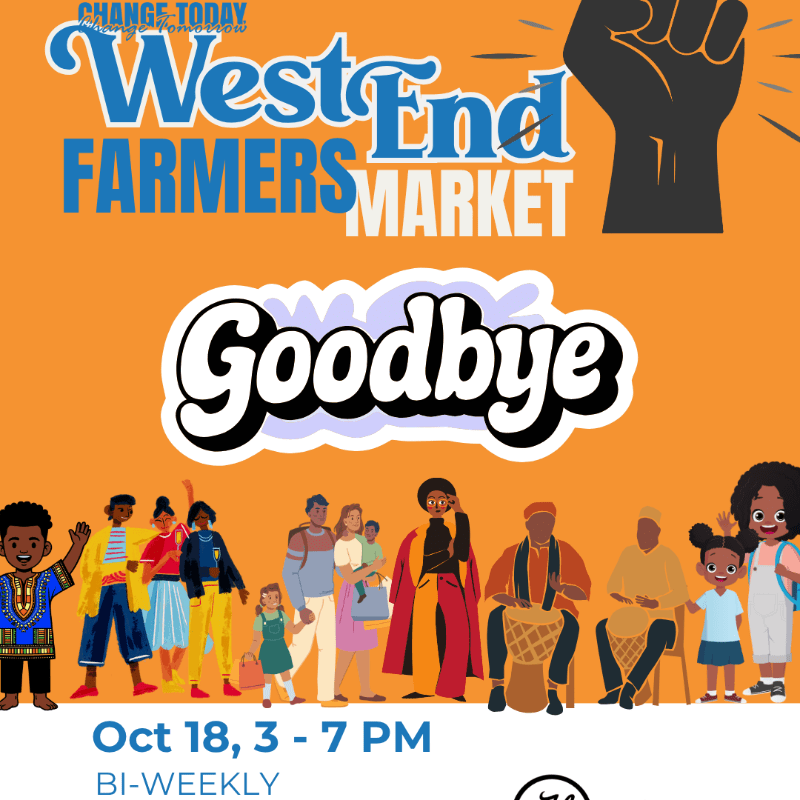
Farmers Market: Community Appreciation! Last Market of 2026
Oct 18, 3:00 - 7:00 PM EDT
1600 St Catherine St, Louisville, KY 40210, USA
Get your tickets
More ways to support us
Membership
Donor Memberships
Become a CTCT MemberMembership is how we build shared responsibility, consistent food access, and long-term solutions together.CTCT is a membership-based movement. Everyone contributes in different ways—money, time, food, skills, or voice. Membership helps us plan, sustain programs, and grow without crisis fundraising.Stewards of the Ecosystem CTCT Stewards are people who help stabilize and grow the work.Tier Titles:Contributor Steward ($10)Sustaining Steward ($25)Impact Steward ($50)Anchor Steward ($100)Mutual Investors Everyone who participates in Feed the West is a Mutual Aid Member. Everyone invests something.Tier Titles:In-Kind MemberCommunity Investor ($5)Sustaining Investor ($10)Priority Investor ($20)CTCT Organizers Contribute time and labor to keep our programs running and our events grounded.Tier Titles:Community Organizer (8 hrs per month)Field Organizer (12 hrs per month)Lead Organizer (16 hrs per month)Senior Organizer (24 hrs per month)CTCT Aligned Members include local businesses, farmers market vendors, youth advisory members, fiscal partners, and organizations working in alignment with CTCT’s mission.Sub-Designations (not tiers):Community PartnerVendor MemberYouth Advisory MemberFiscal PartnerInstitutional AllyCTCT Membership FAQFrequently Asked Questions1. Why is CTCT moving to a membership model?Because one-time donations and informal volunteering don’t sustain long-term work. Membership allows us to plan, pay people fairly, reduce platform fees, and build shared responsibility instead of crisis-driven fundraising.2. Is this just a way to ask people for more money? No. Membership is about participation, not just dollars. Some members give money, some give time, some give food or labor, some give feedback or leadership. Everyone contributes something—but not everyone contributes the same way.3. Will families lose access to food if they don’t become members? No. Feed the West will continue. Membership creates priority access, consistency, and shared investment, not punishment. We are building mutual aid—not shutting people out.4. Why are families asked to invest at all? Because mutual aid means no one is just a recipient. Families already contribute through care, time, feedback, and community knowledge. Membership simply makes that contribution visible and valued.5. What if I can’t give money right now? That’s okay. Many membership options don’t require money. Participation can include time, in-kind support, surveys, storytelling, or attending meetings. You choose what’s possible.6. What happens if I miss a month or get busy? Life happens. Membership is flexible. If participation pauses, perks pause—but you can re-engage anytime. There are no penalties or shame.7. Why are perks tied to participation? Because perks are not rewards—they’re access points. Tying perks to participation keeps the system fair and ensures the work doesn’t fall on the same people over and over.8. Is this replacing volunteering? No. It’s strengthening it. Volunteers are now recognized as CTCT Organizers, with clearer expectations, benefits, and pathways into leadership. This protects volunteers from burnout and invisibility.9. Can I be more than one type of member? Yes. Many people are. You can be a donor, volunteer, and Mutual Aid Member at the same time. All participation lives under one profile.10. Is CTCT becoming more bureaucratic? No—we’re becoming more intentional. Clear systems reduce confusion, protect staff time, and create transparency about how people participate.11. Who do I talk to if I have questions?Donor membership → LovelyMutual Aid or volunteering → BriLeadership or partnerships → JeromeCompost, land, or markets → T’Von12. Is this permanent? This model will evolve as we learn. We’re starting with a soft launch, gathering feedback, and adjusting. Membership is a living system—not a locked rulebook.13. Why now? Because CTCT has grown. Informal systems no longer match the scale of the work. Membership allows us to grow without burning people out or losing our values.14. What’s the bigger goal of all this?To build an organization that:Is community-sustainedDevelops leadershipOwns land and infrastructureCan respond quickly without scramblingLasts beyond any one personMembership isn’t about proving commitment.It’s about belonging with intention.
View membership

Donation
7th Annual Bless the Block
Bless the Block is a giving initiative to fortify communities during the holiday season. We want to keep the holiday spirit strong by providing new clothing & toys to over 100 families in the West End.How You Can SupportVolunteer:Support Bless the Block by having your company or business volunteer! We will be packing, sorting, and delivering toys all week long!Host a Toy Drive:CTCT is looking for businesses, clubs, groups, and more to host a toy drive for Bless the BlockSponsor:Adopt-A-Block is an opportunity for businesses, philanthropists, individuals and corporations to adopt residential blocks in the West End and sponsor Change Today, Change Tomorrow's holiday giving campaign, Bless The Block.Ethical Community Engagement: Change Today, Change Tomorrow has perfected engagement without exploitation. Pro Tip: Preserve the identity and dignity of those being served. Align with this practice in word and deed.Corporate Social Responsibility:Your stakeholders love it when business and service unite. Meet your philanthropic goals with a trusted organization that quickly responds to community needs.Social Media Engagement & Brand Resonance:Get acquainted with our diverse base of over 6,000 followers cross-country. Be featured in SEO and hashtag optimized content that best reflects your organization.
Donate today
Membership
Volunteer Memberships
Become a CTCT MemberMembership is how we build shared responsibility, consistent food access, and long-term solutions together.CTCT is a membership-based movement. Everyone contributes in different ways—money, time, food, skills, or voice. Membership helps us plan, sustain programs, and grow without crisis fundraising.Stewards of the Ecosystem CTCT Stewards are people who help stabilize and grow the work.Tier Titles:Contributor Steward ($10)Sustaining Steward ($25)Impact Steward ($50)Anchor Steward ($100)Mutual Investors Everyone who participates in Feed the West is a Mutual Aid Member. Everyone invests something.Tier Titles:In-Kind MemberCommunity Investor ($5)Sustaining Investor ($10)Priority Investor ($20)CTCT Organizers Contribute time and labor to keep our programs running and our events grounded.Tier Titles:Community Organizer (8 hrs per month)Field Organizer (12 hrs per month)Lead Organizer (16 hrs per month)Senior Organizer (24 hrs per month)CTCT Aligned Members include local businesses, farmers market vendors, youth advisory members, fiscal partners, and organizations working in alignment with CTCT’s mission.Sub-Designations (not tiers):Community PartnerVendor MemberYouth Advisory MemberFiscal PartnerInstitutional AllyCTCT Membership FAQFrequently Asked Questions1. Why is CTCT moving to a membership model?Because one-time donations and informal volunteering don’t sustain long-term work. Membership allows us to plan, pay people fairly, reduce platform fees, and build shared responsibility instead of crisis-driven fundraising.2. Is this just a way to ask people for more money? No. Membership is about participation, not just dollars. Some members give money, some give time, some give food or labor, some give feedback or leadership. Everyone contributes something—but not everyone contributes the same way.3. Will families lose access to food if they don’t become members? No. Feed the West will continue. Membership creates priority access, consistency, and shared investment, not punishment. We are building mutual aid—not shutting people out.4. Why are families asked to invest at all? Because mutual aid means no one is just a recipient. Families already contribute through care, time, feedback, and community knowledge. Membership simply makes that contribution visible and valued.5. What if I can’t give money right now? That’s okay. Many membership options don’t require money. Participation can include time, in-kind support, surveys, storytelling, or attending meetings. You choose what’s possible.6. What happens if I miss a month or get busy? Life happens. Membership is flexible. If participation pauses, perks pause—but you can re-engage anytime. There are no penalties or shame.7. Why are perks tied to participation? Because perks are not rewards—they’re access points. Tying perks to participation keeps the system fair and ensures the work doesn’t fall on the same people over and over.8. Is this replacing volunteering? No. It’s strengthening it. Volunteers are now recognized as CTCT Organizers, with clearer expectations, benefits, and pathways into leadership. This protects volunteers from burnout and invisibility.9. Can I be more than one type of member? Yes. Many people are. You can be a donor, volunteer, and Mutual Aid Member at the same time. All participation lives under one profile.10. Is CTCT becoming more bureaucratic? No—we’re becoming more intentional. Clear systems reduce confusion, protect staff time, and create transparency about how people participate.11. Who do I talk to if I have questions?Donor membership → LovelyMutual Aid or volunteering → BriLeadership or partnerships → JeromeCompost, land, or markets → T’Von12. Is this permanent? This model will evolve as we learn. We’re starting with a soft launch, gathering feedback, and adjusting. Membership is a living system—not a locked rulebook.13. Why now? Because CTCT has grown. Informal systems no longer match the scale of the work. Membership allows us to grow without burning people out or losing our values.14. What’s the bigger goal of all this?To build an organization that:Is community-sustainedDevelops leadershipOwns land and infrastructureCan respond quickly without scramblingLasts beyond any one personMembership isn’t about proving commitment.It’s about belonging with intention.
View membership
Our website
https://www.change-today.org/
Contact information
taylor@change-today.org