We use cookies to improve your experience on our platform. By clicking “Accept all cookies”, you agree to the storing of cookies on your device to enhance site navigation, analyze site usage and assist in our marketing efforts.
Cookies required for basic website functionality.
Cookies used to deliver content most relevant to you and your needs.
Cookies used to deliver content most relevant to you and your needs.
Cookies that help understand the performance of the website, how users interact with it and to identify bugs.
How is Zeffy free?
How is Zeffy free?
Zeffy relies entirely on optional contributions from donors. At the payment confirmation step - we ask donors to leave an optional contribution to Zeffy.
Social Media for Not-for-Profits: Top Strategies for 2026
July 30, 2026
⚡TL;DR — The Short Answer
Social media is a free, high-leverage channel for Australian not-for-profits, but only if the donation flow behind it handles DGR $2 receipting and EOFY timing properly.
Add donation links that display "Donations of $2 or more are tax-deductible" so donors can claim their gift before 30 June.
Run EOFY (end of financial year) campaigns in May and June when AU giving peaks as donors maximise deductions before the financial year ends.
Build peer-to-peer campaigns around walks, rides, sleepouts and community events rather than relying on native platform donation tools with patchy AU eligibility.
Consolidate donations, ticketing and P2P in one free platform instead of stitching together GiveNow, Humanitix and Funraisin separately.
Never use the word "mission" loosely in AU social copy or automated emails: in Australia it carries a specific and harmful history for Aboriginal and Torres Strait Islander peoples. Use "cause", "work" or "purpose" instead.
Social media is a powerful tool for not-for-profits to expand their reach, engage supporters, and drive fundraising efforts.
We'll explore how social media can help you build brand awareness, connect with donors, and inspire action. Discover practical strategies to optimise your social media presence and achieve your charity's goals in 2026.
Social media for not-for-profits: top strategies for 2026
1. Add a donation link that issues a $2 tax-deductible receipt
2. Share stories of impact
3. Run peer-to-peer and community fundraising campaigns
4. Host Ask Me Anything (AMA) sessions
5. Use your brand voice consistently
6. Create a content calendar for social media posts
7. Track metrics to improve engagement
8. Run polls on social media platforms
9. Use visuals to tell your story
10. Partner with influencers and other organisations
Why social media matters for AU not-for-profits
Social media lets not-for-profits connect directly with their audiences, driving real impact. When supporters engage with your charity on social, many go on to donate, share the message, and take action for the cause.
Here are some of the key benefits of using social media for not-for-profit organisations.
Australian giving peaks at EOFY
Australian giving spikes before 30 June, the end of the financial year. Donors who make a gift of $2 or more to a DGR-endorsed charity can claim it on their income tax return, so social posts that run in May and June convert harder than any other window in the AU calendar. Build your content calendar around this peak, not the December giving season.
A simple way to build trust
Social media posts are great for building real trust with your followers. Share your authentic voice and show the positive impact you're making straight from the source.
By posting about your fundraising projects, impact reports, and the work you're doing in the community, you give your donors a peek into what your organisation actually does. This helps build trust and encourages more people to support your work.
Cost-effective platforms for storytelling
Social media levels the playing field, allowing even small not-for-profits to spread the word about their cause without breaking the bank on costly campaigns. Posting on social media is free. All you have to do is post consistently engaging content to create a strong presence.
Use your creativity to tell your story on social media and see the difference in your online presence while saving money.
Promote your not-for-profit events
Whether you're organising an in-person trivia night, quiz night, gala dinner, golf day, or fete, social media platforms help you spread the word, rally supporters, and bring your community together for a worthwhile cause.
Posting about your upcoming fundraising events boosts awareness and draws in more registrations.
Social media ads allow precise targeting to drive traffic to your not-for-profit's fundraising events. You can narrow the audience based on:
Gender
Age
Location
Interests
This strategic approach ensures your message reaches the most relevant segments, maximising the chances of attracting donors aligned with your cause.
One important note for AU events: ticket purchases where the buyer receives a benefit (entry to a dinner, a seat at a gala) are not tax-deductible in Australia. Only gifts of $2 or more to a DGR-endorsed organisation qualify for a deduction. Make this clear in your event social posts to set donor expectations correctly.
Run peer-to-peer and community fundraising campaigns
AU not-for-profits run P2P campaigns in formats that resonate locally: community walks, charity rides, sleepouts (like the CEO Sleepout), gaming streams, and challenge events. These formats spread naturally on social media because participants share their personal fundraising pages with their own networks.
Many small AU charities currently stitch together GiveNow (or Raisely) for donations, Humanitix for event tickets, and Funraisin or Grassrootz for peer-to-peer. Zeffy consolidates all three in one free platform, with DGR $2 receipt handling built in, so you spend less time managing tools and more time growing your cause.
Expand reach and visibility
Connect with new people and share your message and cause with them. A social media presence can help you increase visibility, gain followers, and generate awareness with the right content and strategy.
Attract new talent
Post job openings and volunteer opportunities to reach newer audiences who may be interested in working with you.
Highlight the benefits of working for your organisation by sharing testimonials and a glimpse of your work culture. Attract the right talent and build a strong team to support your cause.
10 strategic tips to elevate your not-for-profit's social presence
Using the strategies below, develop a clear and effective approach for your charity to attract new donors and build long-lasting relationships. An active social media presence allows not-for-profits to reach potential donors, showcase their work, and build awareness for fundraising efforts.
1. Add a donation link that issues a $2 tax-deductible receipt
Adding a donation link to your social media gives viewers a direct way to donate online, whether in your profile, below the bio, or added as a sticker on your Story. Always include a donation link when you're making a direct ask in a post.
The most important thing your donation link needs to do in Australia is issue a proper tax-deductible receipt. The canonical AU trust line, used by Australian Red Cross, Cancer Council, and Fred Hollows, is: "Donations of $2 or more are tax-deductible." Only gifts to DGR-endorsed charities qualify, and donors can verify your DGR status via ABN Lookup. ACNC-registered charities can display their ACNC badge and ABN alongside the donation link to reinforce trust.
Use a donation page that handles DGR receipting automatically so you don't have to issue receipts manually. Before 30 June, supporters will want confirmation their donation is tax-deductible before the financial year closes.
Some social media channels offer built-in donation tools, but AU eligibility for these features can be patchy and they do not issue AU-compliant DGR receipts. A dedicated donation page that links to your social posts gives you full control over the receipt workflow.
2. Share stories of impact
Share stories, facts, and figures about your not-for-profit's impact to give your followers a reason to comment on and share your content. Community-centred stories have the power to elicit emotions and attract more people to your organisation.
Be consistent in your message. Use a cohesive brand identity for your charity on social media. Supporters who see your posts will recognise and want to learn more about your values and your work. For more guidance on this, see our guide to not-for-profit storytelling.
3. Pair social posts with a proper AU donation flow
Posting to social media and sending supporters to a donation form that doesn't handle AU receipting properly wastes the post. When your social content drives traffic, make sure the donation page at the other end:
Issues a tax-deductible receipt showing the charity name, ABN, and a DGR statement
Clearly states "Donations of $2 or more are tax-deductible"
Works smoothly on mobile, since most social traffic is mobile
AU giving spikes before 30 June. One sentence on your EOFY social posts that tells supporters their gift is tax-deductible before the financial year ends can significantly lift conversion. See the ATO's DGR endorsement page for the full receipting requirements.
For peer-to-peer and community fundraising campaigns, link to our P2P fundraising guide for a walkthrough of how to set up a campaign that works across social channels.
4. Host Ask Me Anything (AMA) sessions
The best platforms for not-for-profits allow you to directly engage with followers using question-and-answer (Q&A) sessions. Your social media team can go live on Facebook and Instagram and host this session to establish a personal connection and build interest.
Interacting with supporters in real-time, answering their questions, and building a genuine rapport is an excellent way to connect with your community on a personal level.
5. Use your brand voice consistently
Your unique brand voice can evoke powerful emotions in the audience and encourage them to act.
Here is how to have a consistent brand voice for your organisation:
Reflect and take some time to find your voice before crafting and posting content.
Think about the tone. Do you wish to sound engaged, serious, hopeful, or informative?
Craft a not-for-profit social media policy and ensure your content follows the guidelines.
A note on language for AU organisations: in Australia, the word "mission" carries a specific and harmful historical meaning for Aboriginal and Torres Strait Islander peoples. Missions were institutions where Aboriginal people were detained against their will. Use "cause", "work" or "purpose" in your social copy and automated emails. This applies to your whole team, not just the people managing social media.
6. Create a content calendar for social media posts
Developing a social media content calendar is crucial for consistency. Use calendar apps or spreadsheets to plan and organise your posts in advance.
Map out your upcoming events, fundraisers, and campaigns, then schedule relevant content accordingly by assigning specific dates and times. For AU charities, build your calendar around the EOFY window (May to June) as the primary giving peak. For cross-channel planning tips, see our guide to email marketing for not-for-profits.
7. Track metrics to improve engagement
While follower count, comments, and likes are important for reach, other key performance indicators (KPIs) provide valuable insights into user engagement and awareness.
Monitor metrics that align with your goals, whether attracting donations, increasing newsletter signups, or boosting event participation.
Some important KPIs to track and use to refine your social media approach:
Consistently measuring these metrics will help optimise your social strategy for maximum campaign success.
8. Run polls on social media platforms
Social media polls are a fun, easy way to get your supporters involved. Keeping results hidden until after voting adds a curiosity factor.
These interactive polls let you ask for opinions and feedback directly from your audience, making them feel valued and connected to your organisation.
Putting supporters in the driver's seat strengthens your bond. Simple polls go a long way in building an engaged community that is excited about your cause. You also get valuable insights straight from the source.
9. Use visuals to tell your story
Visuals let you present more information quickly and have a great impact. When you design visual content, it should be intentional.
Here are a few ways you can share your story using visuals:
Share an image of a beneficiary to connect the audience with your cause and impact.
Use an infographic to show figures and highlight the need for further support.
Post a video to tell the story and share behind-the-scenes efforts of a successful campaign.
These visuals must align with your vision, story, and social media policy. Repurpose visual content across channels, but be mindful to add value to each. For more on visual storytelling, see our guide to not-for-profit storytelling.
Visuals have great power to increase visibility for your organisation. Use them wisely to see more positive results.
10. Partner with influencers and other organisations
Goodwill ambassadors and social media influencers can create real impact by adding credibility, reach, and passion to the cause.
AU not-for-profits often partner with sport figures, local media personalities, community leaders, and business owners who share their values. When your cause involves First Nations communities, follow their lead on how the work is framed and described. Never appropriate an Acknowledgement of Country in a promotional post.
Collaborating with other organisations is another reliable way to run social media campaigns. Peer participation adds social proof and trust to your work, attracting more donors and supporters.
Build a not-for-profit social media policy
The social media policies for not-for-profits define how staff members and stakeholders should represent the organisation online.
A not-for-profit social media policy is often a one-to-two-page document listing a set of dos and don'ts for social media management.
Here are some essential social media guidelines to consider:
Ensure your content across all social media accounts authentically reflects your core values and beliefs.
Personal social media use by employees or volunteers can positively or negatively impact your presence.
Clearly define roles for the employees who will be managing accounts to maintain consistency.
Develop a strategy with your employees to constructively address negative feedback on your posts.
Choose wisely whether to respond to, address or abstain from reacting to negative comments online.
Build a proactive human resources approach to ensure all your volunteers and employees follow the social media policy and guidelines. The team can track every interaction and ensure nobody posts negative comments or spreads harmful content online.
What are the best social media tools for not-for-profits?
Tracking performance and automating efforts are important for running successful online campaigns. Here are three tools worth considering. For a broader view, see our guide to marketing for not-for-profits.
Hootsuite
Social media management for a not-for-profit organisation can be overwhelming.
Hootsuite is one of the best social media management tools for not-for-profits that simplifies the process by:
Handling all your social media accounts, like X (formerly Twitter), Instagram, and Facebook, in one place.
Scheduling a post in advance according to your calendar.
Reviewing the content on your account before it goes live.
Tracking responses to know their impact.
Responding to comments without switching platforms.
Hootsuite offers a nonprofit discount programme for registered not-for-profits. Check current AU eligibility and pricing on their site, as terms can change.
Canva
Canva is a powerful tool for designing social media posts, even for people with zero design experience. Founded in Sydney, it is one of Australia's great tech success stories. Here are some useful features:
No design skills are required to use this tool.
Get inspiration for creating a post from various pre-made designs.
Optimise content for multiple social network platforms.
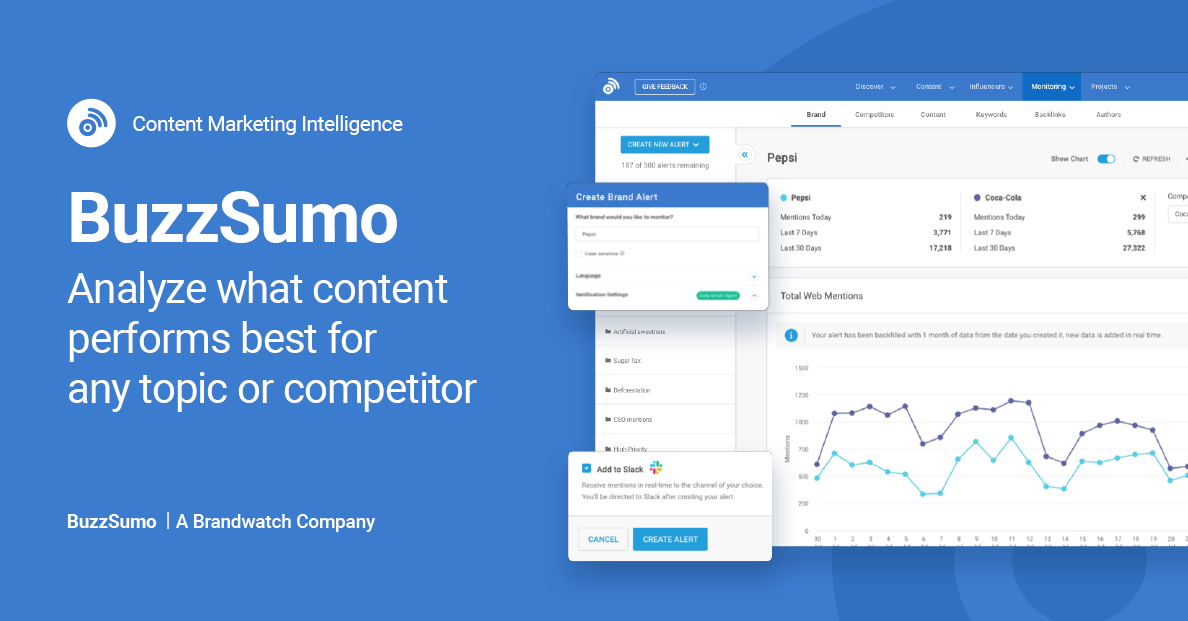
Buzzsumo
Buzzsumo is a great tool for finding trending topics and tracking other not-for-profits for content ideas. Here are some stand-out features:
Easy content research and monitoring.
Browse popular questions around a particular topic.
Discover and collaborate with influencers.
Track current backlinks and build new ones.
Final thoughts on social media for not-for-profits
Coming up with an effective social media strategy for not-for-profits requires proper planning and consistent execution. Identify the content that resonates with your audience and develop a detailed social media policy to ensure all interactions align with your work.
The biggest AU-specific lesson: a well-crafted social post is only as good as the donation experience it leads to. If your donation form doesn't issue a proper DGR tax-deductible receipt, or if it isn't ready for the EOFY spike in late June, you'll leave real fundraising on the table.
Zeffy's 100% free fundraising platform can help boost your fundraising efforts on social media, with DGR receipting, peer-to-peer, ticketing, and donor management all in one place.
Not-for-profits can use any social media platform to connect with their audience. The most important thing is to consider the demographics of each platform.
From Facebook to Instagram, each social channel caters to different groups of people. Facebook's primary demographic skews older (25 to 45), making it strong for community and cause-based content. Instagram's audience leans younger (18 to 34) with a roughly even gender split, making it effective for visual storytelling and impact posts. LinkedIn reaches professionals and is useful for corporate partnership outreach. TikTok reaches a younger audience and works well for short, energetic behind-the-scenes content.
- Listing your goals and determining your target audience.
- Defining your content pillars.
- Picking the right platform that reaches your target audience.
- Targeting multiple social channels for more reach.
- Developing an actionable strategy by writing down your marketing plan.
For AU charities, build your calendar around the EOFY window (May to June) as the primary giving peak, and make sure every donation link leads to a page that issues a proper $2 tax-deductible receipt.
Note that a good social media strategy for not-for-profits may differ from one organisation to another.
Charities can use different social media platforms to connect with their audience. Each platform has a different target audience. Here's how different platforms can be used for better reach:
- Facebook: Narrate stories through posts, videos, and photos and use targeting features to reach specific audiences.
- X (Twitter): Join conversations, share news, and use campaign hashtags to spread your message.
- Instagram: Share posts and stories to highlight your work and encourage donations.
- TikTok: Reach a younger target audience through fun, short videos.
- LinkedIn: Share more formal content and reach professionals and businesses aligned with your cause.
Finding the right frequency is more subjective than one might think. Many factors, such as audience, reach, platform, and content strategy, come into play when developing your social media approach.
Start by asking these questions:
- Who is your target audience?
- What social channels are they using?
- How often do other not-for-profits post content?
- How often do your followers like to hear from you? (Use surveys and feedback from the audience to answer this.)
While there is no one-size-fits-all approach, consistency and quality are key.
Look for people who attend related events, follow relevant Facebook groups, or subscribe to aligned newsletters.These aren’t just potential donors—they’re your future advocates.
Look for people who attend related events, follow relevant Facebook groups, or subscribe to aligned newsletters.These aren’t just potential donors—they’re your future advocates.









.webp)

