We use cookies to improve your experience on our platform. By clicking “Accept all cookies”, you agree to the storing of cookies on your device to enhance site navigation, analyze site usage and assist in our marketing efforts.
Cookies required for basic website functionality.
Cookies used to deliver content most relevant to you and your needs.
Cookies used to deliver content most relevant to you and your needs.
Cookies that help understand the performance of the website, how users interact with it and to identify bugs.
How is Zeffy free?
How is Zeffy free?
Zeffy relies entirely on optional contributions from donors. At the payment confirmation step - we ask donors to leave an optional contribution to Zeffy.
Not-for-profit marketing: a complete guide for AU charities (2026)
July 30, 2026
⚡TL;DR — The Short Answer
An Australian not-for-profit marketing plan is a written document naming your audiences, your messages, your channels, and how you'll measure results, built around the 30 June EOFY giving peak, not a December year-end.
Decide first whether you're marketing to donors, supporters, volunteers, or beneficiaries, then pick two channels (usually email plus one social platform) rather than trying to run everything at once.
The biggest AU marketing mistake is treating December as the giving peak. In Australia it's EOFY (30 June), when donors maximise tax-deductible gifts to DGR-endorsed charities.
Include the canonical AU trust line near every donate CTA: "Donations of $2 or more are tax-deductible." Only DGR-endorsed charities can offer this, and donors verify status on ABN Lookup.
Facebook Fundraisers and Instagram donate stickers have largely wound down for AU NFPs. Use "link in bio" to your donation page instead.
If your NFP is not yet DGR-endorsed, you can still market and fundraise, but you cannot promise tax-deductible receipts. For sports clubs, the Australian Sports Foundation is the standard DGR umbrella pathway.
Not-for-profit marketing allows organisations to amplify their cause, engage supporters, and drive meaningful change in society. In Australia's crowded sector of around 60,000 ACNC-registered charities, effective marketing strategies are essential to stand out, attract donors and volunteers, and make every dollar count when cost-of-living pressure is squeezing donor acquisition budgets.
We'll explore the core elements of NFP marketing, from crafting compelling messages to leveraging the right channels for an Australian audience. You'll find actionable insights to increase your visibility, build stronger relationships with supporters, and ultimately boost your impact.
By mastering these marketing techniques, your NFP can transform its outreach efforts and create lasting connections with its community.
A not-for-profit marketing plan outlines how an organisation will communicate its cause, engage supporters, and achieve its goals. It includes a detailed analysis of target audiences, key messages, chosen marketing channels, and performance metrics.
This plan serves as a guiding document, ensuring all your marketing efforts are aligned with the NFP's purpose and objectives. By creating a comprehensive not-for-profit digital marketing plan, organisations can effectively allocate resources, maintain consistency in their messaging, and measure the success of their outreach efforts.
6 benefits of effective marketing strategies for NFPs
Australia has around 60,000 ACNC-registered charities competing for donor and volunteer attention, while smaller community groups, sports clubs, and associations that are not yet registered add further noise. Many small NFPs are already stitching together three to five separate tools just to manage donations, ticketing, and communications. A clear marketing strategy helps you cut through that complexity and connect with the right people more efficiently.
1. Raising awareness for your cause
Effective marketing amplifies your NFP's voice, bringing your cause to a wider audience.
Through strategic marketing campaigns across various channels, you can educate people about your cause, the issues you address, and the impact of your work. This increased visibility not only attracts potential donors and volunteers but also sparks important conversations about what you do.
By consistently sharing your story and achievements, you create a ripple effect of awareness that can lead to greater support for your NFP.
2. Simplifying fundraising
By conveying the need for donations and showcasing their impact, marketing helps build trust with donors and encourages donations and regular giving. It ensures that your NFP can continue to serve its purpose.
Many digital platforms have integrated donation features, allowing supporters to contribute directly through social media, websites, or dedicated fundraising apps.
Marketing creates a bridge between your organisation and donors, and allows you to reach people interested in your cause. Cultivate donor relationships with effective communication strategies and engaging content. You can inform donors about your initiatives, reminding them why they should support your NFP.
4. Attracting volunteers
Volunteers are the backbone of many NFPs, providing crucial support and expertise. Australia's charity sector engages roughly 3.5 million volunteers (ACNC Australian Charities Report), making volunteer attraction and retention a key marketing priority.
Effective marketing helps attract passionate individuals by showcasing volunteer opportunities and the impact of their contributions. It also helps retain current volunteers by recognising their efforts and demonstrating how their work supports the organisation's purpose.
By highlighting volunteer stories and experiences, NFPs can inspire others to get involved and foster a strong, committed volunteer community.
Marketing opens doors for collaborations with other organisations that share your values.
Creating a strong online presence across different channels can attract like-minded organisations and individuals to collaborate with you. It also helps to show potential partners what kind of work you're doing, establishing trust and credibility.
6. Promoting your programs
A strategic marketing plan helps NFPs showcase their programs and demonstrate their impact. By effectively communicating the value and promoting your fundraisers, you can attract more participants, beneficiaries, and supporters.
This increased visibility can lead to greater participation in your programs and broader recognition of your NFP's contributions to the community.
The Vinnies CEO Sleepout is one of Australia's most recognisable peer-to-peer fundraising campaigns. Each year, business and community leaders sleep outside for a night to raise awareness of and funds for homelessness. The campaign works because it combines personal storytelling, public visibility, and a clear cause that supporters can rally around. A well-planned peer-to-peer approach like this shows how AU NFPs can use creative formats, even on limited budgets, to generate significant reach and income.
Marketing goals are specific, measurable objectives that guide your NFP's outreach efforts. These goals should align with your organisation's overall purpose and strategic plan.
Examples include increasing monthly donations by a certain percentage, growing your volunteer base, or improving engagement rates on social media.
Well-defined marketing goals provide direction for your campaigns, help allocate resources effectively, and offer benchmarks to measure success. Regularly reviewing and adjusting these goals ensures your marketing efforts remain focused and impactful.
2. Brand guidelines
When promoting across different marketing channels, you need to maintain consistency to make yourself easily recognisable.
Define your brand identity in your marketing plan through verbal elements (such as tone and messaging). Include visual elements (such as logo, fonts, and colour scheme) to keep marketing materials consistent across platforms.
3. Audience overview
Identifying your diverse supporter bases helps tailor your marketing efforts effectively. NFPs often have multiple audience segments, such as seniors, young families, corporate partners, or student volunteers.
Understanding each group's unique characteristics and motivations allows you to create targeted, resonant content and choose appropriate channels for outreach.
Determine audience demographics, concerns, needs, and what channels they frequent. Create audience personas for the different supporters you'll market to, including volunteers, donors, and beneficiaries.
AU-specific: plan your year around EOFY, not December
In Australia, the major giving peak is the End of Financial Year (EOFY), 30 June, not December. Donors who give to DGR-endorsed charities can claim a tax deduction on gifts of $2 or more (ATO, DGR endorsement), and they naturally consolidate those gifts in May and June before the financial year closes.
The biggest AU appeals run in this window: Australian Red Cross, Cancer Council, and The Smith Family all run dedicated EOFY campaigns. Your marketing plan should treat the EOFY window (roughly May to 30 June) as a fixed campaign block in the calendar, not an afterthought. Build your strongest donor communications, paid advertising, and social pushes around this period.
If your NFP is DGR-endorsed, include the canonical AU trust line near every donate CTA: "Donations of $2 or more are tax-deductible." Donors can verify your DGR status on ABN Lookup and the ACNC Charity Register. This single line consistently lifts conversion on AU donation pages because it answers the question donors are already asking (ACNC DGR fact sheet).
4. Purpose statement
Include your NFP's purpose statement in the marketing plan to ensure that your efforts bring growth and success to your organisation. Every step should make a positive difference to your cause and the community you serve.
5. Marketing channels
Depending on your audience and goals, highlight marketing channels that you will use to reach out to your donors.
For example, when aiming to increase donations, consider your audience's online behaviour and preferences. Develop a multi-channel strategy that might include targeted social media campaigns, search engine marketing, email nurture sequences, and content marketing.
Analyse data to understand which platforms yield the best results for different audience segments and adjust your strategy accordingly.
A note on donor data and privacy
When selecting marketing tools (email platform, CRM, form builder), asking where donor data is stored is now a normal AU procurement question. Following the Pareto Phone data breach, AU-native platforms like GiveNow, TryBooking, and Humanitix actively promote "data stored in Australia" as a differentiator. The OAIC Privacy for not-for-profits guidance is the authoritative starting point if your supporters or board are asking about data residency and the Australian Privacy Principles.
6. Key performance indicators (KPIs)
KPIs are quantifiable metrics that measure the effectiveness of your marketing efforts. They help track progress towards specific goals and provide insights for strategy refinement.
For NFPs, important KPIs might include:
Donation metrics: Total amount raised, average donation size, donor retention rate
Engagement metrics: Email open rates, social media interaction rates, website visit duration
Awareness metrics: New newsletter subscribers, social media follower growth, media mentions
Volunteer metrics: Number of sign-ups, hours contributed, retention rate
Unlike for-profit businesses, NFPs often have diverse stakeholder groups, including donors, supporters, volunteers, beneficiaries, and community partners. To connect with each group effectively:
Conduct thorough research using surveys, focus groups, and data analysis
Create detailed audience personas for each group, including demographics, motivations, and preferences
Analyse how different audiences interact with your organisation and what drives their engagement
Identify the channels and messaging that resonate most with each group
Continuously gather feedback and update your audience profiles to ensure relevance
By deeply understanding your audiences, you can tailor your marketing strategies to effectively engage and motivate each group.
Crafting compelling messages is essential for cutting through the noise and resonating with your audiences. Your messaging should:
Articulate your purpose and values
Highlight the specific impact of your work
Use emotional storytelling to connect with supporters
Be concise, clear, and jargon-free
Include strong calls to action
Adapt tone and content for different audience segments and platforms
Consistency is key: ensure your core message remains uniform across all channels while tailoring the delivery to suit each platform and audience. Test different messages and refine them based on audience response to maximise engagement and effectiveness.
The AU trust formula in practice
The Fred Hollows Foundation (hollows.org) is a strong exemplar of AU charitable storytelling. Their donation pages combine a named-narrative warmth with a precise trust-signal block: ACNC registration, "Donations of $2 or more may be tax-deductible", ABN, and a spend-transparency line (showing the percentage that goes directly to programs). Beyond Blue (beyondblue.org.au) uses named-person urgency ("In the next 2 minutes someone like Gavin will reach out for help") to create an immediate emotional connection. Both approaches demonstrate that AU donors respond to honesty, specificity, and credibility. Apply the same formula to your own appeals: a real story, a specific impact number, and the "Donations of $2 or more are tax-deductible" line where eligible.
Selecting the right marketing channels is crucial for reaching your target audiences effectively. Consider these factors when choosing your channels:
Audience preferences: Where do your supporters spend their time?
Resource availability: Which channels can you manage effectively with your current team and budget?
Content type: Which platforms best showcase your message and content?
Goals: Which channels align with your specific marketing objectives?
Some notable channels to focus on in your marketing plan include:
Email
Email marketing consistently returns the highest ROI of any NFP marketing channel across AU sector benchmarks. Use emails to ask for donations, share updates on your cause, and inform supporters about upcoming events and EOFY appeals.
Social media is perfect for cultivating a community of dedicated and loyal supporters. By publishing content related to your cause and impact, you can educate the audience and develop interest in your NFP.
Australian Red Cross regularly uses Instagram to share emergency-appeal stories and community impact posts that blend urgency with warmth. RSPCA Australia runs rescue-story reels that consistently generate strong organic reach. Both organisations demonstrate that AU social audiences respond to authentic content grounded in real outcomes.
A note on Meta donation tools: Facebook Fundraisers and Instagram donate stickers have largely wound down for most AU NFPs. If you have previously relied on these features, update your approach now. The current AU standard is to use your social bio link ("link in bio") to direct supporters to a dedicated donation page on your website or fundraising platform.
A website is a non-negotiable component of any marketing strategy. Your website serves as the central hub for all your initiatives, provides essential information about your purpose, and establishes credibility.
As you put your marketing plan in place, you will need to stop and reflect on your performance and check if you're reaching your goals.
You must establish KPIs that align with your marketing goals and channels to understand which channels are yielding good results and which are wasting resources.
Some KPIs on different marketing channels and strategies include the metrics in the table above. Review your performance at least quarterly, and schedule a dedicated review in July each year once EOFY results are in.
Marketing Strategy/Channel
Performance Indicator
Email
Open rates or click-through rates
Social media
Likes, shares, and comments
Website
Page views, traffic sessions
Video
Video views and likes
SMS
Delivery, click-through, and conversion rates
6 best practices in NFP marketing
1. Run A/B tests to understand what drives more traffic
A/B testing, also called split testing, lets you compare the performance of two different versions of a marketing message. You can conduct A/B tests on various elements in your marketing campaigns, such as:
Email subject lines
Storylines in appeals
Types of visual content
Call-to-action prompts
Number of donation form fields
Elements of the donate button
A/B testing helps identify which option provides more engagement and highlights opportunities to refine your NFP marketing campaign for better outcomes.
In Australia, the most common P2P formats are walks, rides, sleepouts (like the Vinnies CEO Sleepout), gaming streams, and community challenges. Provide branded fundraising pages, social media posts, email templates, and scripts to help your fundraisers succeed. Ensure their efforts align with your overall campaign for consistency and maximum impact.
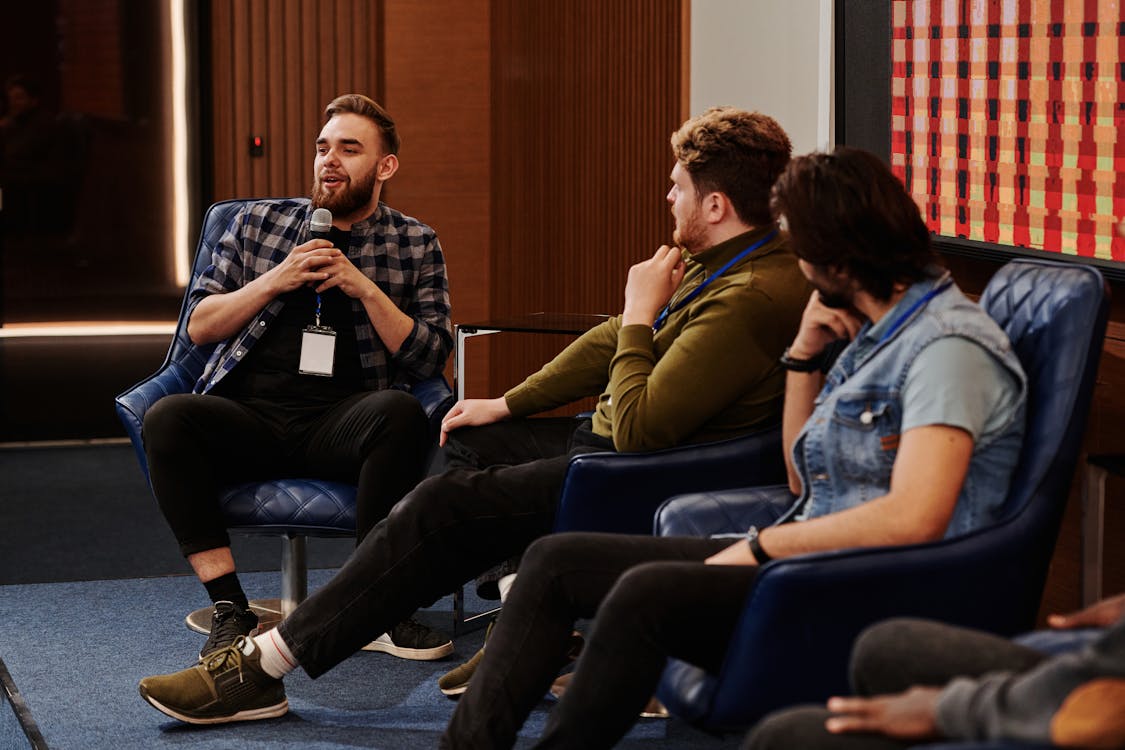
Public speaking is another great marketing strategy for establishing authority and trust in your organisation. People believe in other people and not products. The same can be said about your NFP. If potential supporters believe in the people working behind your organisation, they're more likely to trust your cause and offer their support.
Your NFP leaders and representatives can attend various events, or you can host a multi-day conference yourself. The aim will be the same: telling a compelling story to an audience unfamiliar with your cause.
Public speaking offers the opportunity to not only put the spotlight on your purpose and programs but also on your leadership.
If your NFP holds public events, an Acknowledgement of Country recognising the Traditional Owners of the land is now standard practice for most Tier-1 AU charities, including Australian Red Cross and Beyond Blue. For guidance on how to acknowledge Country accurately for your location, contact your local Land Council or visit Reconciliation Australia's website.
4. Use videos to tell your story
Short-form video is now the dominant format on Instagram Reels, TikTok, and Facebook Reels, the platforms most AU donors under 50 use daily. To unlock the real potential of video marketing, move beyond simple numbers and facts. Focus on creating visual content that tells powerful stories about the people your NFP helps, the challenges you address, and the positive change you work towards.
RSPCA Australia is the AU equivalent of the emotional-rescue-story video model. Their rescue reels and rehoming stories generate strong organic reach because they combine clear cause storytelling with a concrete ask. Apply the same approach: real animals or real people, a specific challenge, and a clear outcome your NFP helped achieve.
While YouTube remains a popular platform for longer video content, the trend is firmly towards short-form video. Platforms like TikTok and Instagram Reels offer opportunities for NFPs to create engaging, bite-sized content. Consider developing a mix of long-form content for YouTube and shorter, more dynamic videos for TikTok and other social media platforms to maximise your reach and engagement.
To maximise visibility, tailor your videos for each platform. Shorten them for social media channels while making them more in-depth for your website. Use platform-specific tools such as captions and calls to action to enhance reach.
Social media channels like TikTok and Instagram let you add a "Donate" link to your profile and bio, directing supporters to your donation page.
5. Offer branded merchandise
Turn your donors and volunteers into walking ads with branded merchandise. It creates a win-win situation: you raise money for your cause and receive free advertising, while your supporters get to show what they believe in.
Your NFP can team up with a graphic design company to bring branded merch to life. You can sell items at your charity events or fundraisers. Popular AU NFP formats include t-shirts, tote bags, caps, and, for community events, sausage-sizzle aprons or footy-club scarves, depending on your audience.
6. Leverage social media fundraising
Most social media platforms offer some fundraising-adjacent options for NFPs, though the landscape has shifted. Meta has wound down Facebook Fundraisers and Instagram donate stickers for most AU NFPs. The current best practice is to use your social bio link ("link in bio") to send supporters directly to your donation page, rather than relying on built-in donation tools that may no longer be available.
YouTube's nonprofit programme remains active and allows eligible organisations to add a donate button to their videos. For any platform, the safest approach is to direct traffic to your own donation page, where you control the experience and keep 100% of what's raised.
Many fundraising platforms charge transaction fees that can reduce the donations your NFP receives. For all organisations, regardless of size, maximising the impact of every dollar is crucial. With Zeffy's 100% free fundraising platform, you can eliminate platform fees and keep all of your donations.
6 marketing ideas for NFPs on a budget
1. Harness user-generated content
User-generated content (UGC) is a powerful tool for authenticity and engagement.
Encourage supporters to share their experiences with your NFP through photos, videos, or testimonials. This content not only provides social proof but also creates a sense of community around your cause. To gather UGC:
Run social media contests asking supporters to share their stories
Create a unique hashtag for your campaigns and events
Feature volunteer experiences on your website and social channels
Invite beneficiaries to share how your NFP has impacted their lives
UGC humanises your organisation, builds trust, and can significantly extend your reach at little to no cost.
2. Apply for Google Ad Grants
Google offers grants to help charitable organisations expand their reach through ads on its platform. You'll need to qualify for a Google for Nonprofits account to access these benefits. This account provides access to Google Workspace, YouTube's charitable programme, and other valuable tools for NFPs.
Once your organisation is approved for the Google Ad Grants programme, you receive up to US$10,000 per month in Google Search ads. In Australia, eligibility requires DGR endorsement plus a Google for Nonprofits account, so confirm your DGR status with the ATO first.
With Google ads, you can expand your outreach and attract a variety of supporter groups to your NFP.
Content marketing revolves around creating and sharing relevant, valuable, and consistent content. It is effective because instead of promoting your NFP, it aims to educate the public and establish your organisation as a trusted resource. Additional benefits of content marketing include:
Informing your supporter base about your cause, purpose, and beneficiaries
Attracting new visitors, leads, subscribers, and donors through search engine optimisation
Being easily repurposed into various media formats, saving time and money
When it comes to deciding what kind of content to create, your organisation can focus on:
Creating a visually engaging impact report to show how you're going to use funds
Releasing special research and investigations related to your cause
Coming up with blog posts and e-books on issues relevant to your cause
Hosting live events, such as webinars, panel discussions, and Q&A sessions
Setting up craft challenges and producing recipe books
4. Hosting virtual events
Virtual events offer a cost-effective way to engage supporters and raise funds. They provide flexibility and accessibility, allowing participants to join from anywhere in Australia.
Your NFP can host:
Online trivia nights or quiz nights (a staple of AU NFP fundraising)
Virtual galas or silent auctions
Live-streamed CEO chats or panel discussions
Online challenges or community competitions
Use interactive features like live chats, polls, and Q&A sessions to boost engagement. Ensure you have a reliable streaming platform and promote the event across your digital channels.
Don't forget to follow up with attendees afterward to maintain the connection and potentially convert them into long-term supporters.
5. Create flyers
Flyers remain an effective, budget-friendly marketing tool for NFPs. They allow you to convey key information about your organisation or events in a compact, visually appealing format.
Design eye-catching flyers using free online tools and distribute them at local businesses, community centres, or events.
Pro tip: Include a QR code on your flyers linking to your donation page or website. This bridges the gap between print and digital, making it easy for people to take immediate action or learn more about your cause with a simple smartphone scan.
This campaign marketing idea is a great way to cut the cost of your promotional efforts. It involves working together with another organisation to benefit both parties. By tapping into the reach and relationship of the partner, co-marketing delivers more awareness and leads with less work.
The key to success is choosing an organisation with a similar audience to yours and a solid reputation. Together, you can host a webinar session or an in-person event and collaborate on content such as e-books or research.
Download our NFP marketing plan template
To get started with your marketing plan, download our free template.
If you want to reach the right people and secure tangible ROI, select strategies based on your goals, target supporters, and resources.
Experiment with a few different NFP marketing strategies and channels. It helps to understand what resonates with your audience and works for your NFP. Develop an effective and scalable marketing plan based on tactics that deliver results.
Ensure you analyse your strategies to refine your approach based on what's working. You can also partner with a not-for-profit marketing agency to leverage their expertise.
Complement your marketing efforts with Zeffy's 100% free fundraising platform. Create campaigns and donation pages to raise awareness and funds for your NFP.
Most small NFPs allocate between 5% and 15% of their total budget to marketing, though this varies widely depending on your growth stage and fundraising goals.
In Australia, the most useful way to plan your marketing budget is to build it around your EOFY campaign window (May to 30 June), rather than spreading spend evenly across the year. This is when donors are most motivated to give to DGR-endorsed charities before the 30 June financial year-end. Concentrating your strongest paid advertising, email campaigns, and social pushes in this window typically returns better results than low-level year-round spend.
As a starting principle: decide what your most important campaign of the year is (usually EOFY), budget to do that one thing well, and treat everything else as supplementary.
- Treating December as the main giving peak rather than EOFY (30 June). Australian donors are motivated by the tax-deductibility window, not a Northern Hemisphere gift-giving season.
- Forgetting to include the "Donations of $2 or more are tax-deductible" trust line near your donate CTAs. For DGR-endorsed charities, this line visibly improves conversion.
- Relying on Facebook Fundraisers or Instagram donate stickers that Meta has largely wound down for AU NFPs. Use "link in bio" to your own donation page instead.
- Using the word "mission" loosely in communications. In Australia, "missions" were institutions where Aboriginal people were detained against their will. Use "cause", "work", or "purpose" instead.
- Trying to be on every platform at once with a small team. Pick two channels, do them well, then expand.
- Not measuring results. Without KPIs, you cannot tell which channels deserve more budget and which to drop.
Start with one or two platforms where your supporters are most active, rather than spreading your team across every channel.
For most AU NFPs, Instagram and Facebook remain the highest-reach platforms for community and donor audiences, while TikTok is growing strongly for charities targeting under-35s. LinkedIn is valuable if your NFP engages corporate partners or professional volunteers.
Key AU-specific notes for social media:
- Facebook Fundraisers and Instagram donate stickers have wound down for most AU NFPs. The current standard is to use your bio link ("link in bio") to direct supporters to your own donation page.
- Include your DGR status and the "Donations of $2 or more are tax-deductible" line in your bio if you are DGR-endorsed. Donors check this before giving.
- Schedule your highest-effort social content in May and June for the EOFY window, when donor intent is at its peak.
- Short-form video (Instagram Reels, TikTok, Facebook Reels) consistently outperforms static posts for reach and engagement. Prioritise it even if it feels less polished than professional photography.
Get weekly fundraising tips from nonprofits experts
Thank you! Your submission has been received!
Oops! Something went wrong while submitting the form.
Keep reading :
Nonprofit guides
Social Media for Not-for-Profits: Top Strategies for 2026
Social media is a powerful, free channel for Australian not-for-profits, but only when the donation flow behind it handles DGR $2 receipting and EOFY timing properly. This guide covers 10 practical strategies, the right tools, and AU-specific tips to help small-to-mid charities, community groups, P&Cs and sports clubs raise more without a dedicated digital team.
Email Marketing for Not-for-Profits: A 2026 Guide for Australian Charities
A practical guide for Australian not-for-profits on building email campaigns that raise more, retain donors, and stay compliant with the Spam Act 2003 and Privacy Act 1988. Covers 13 email types, 11 best practices, EOFY timing, DGR receipting, and the top email marketing tools available to AU charities in 2026.
Look for people who attend related events, follow relevant Facebook groups, or subscribe to aligned newsletters.These aren’t just potential donors—they’re your future advocates.
Look for people who attend related events, follow relevant Facebook groups, or subscribe to aligned newsletters.These aren’t just potential donors—they’re your future advocates.





.jpeg)




.jpeg)




.webp)

