We use cookies to improve your experience on our platform. By clicking “Accept all cookies”, you agree to the storing of cookies on your device to enhance site navigation, analyze site usage and assist in our marketing efforts.
Cookies required for basic website functionality.
Cookies used to deliver content most relevant to you and your needs.
Cookies used to deliver content most relevant to you and your needs.
Cookies that help understand the performance of the website, how users interact with it and to identify bugs.
En quoi Zeffy est-il gratuit ?
En quoi Zeffy est-il gratuit ?
Zeffy compte entièrement sur les contributions facultatives des donateurs. À l'étape de la confirmation du paiement, nous demandons aux donateurs de laisser une contribution facultative à Zeffy.
How Data Analytics for Nonprofits Can Improve Fundraising Campaigns
December 31, 2024
Data analytics transforms raw information into insights that help nonprofits understand donors and drive impactful fundraising. By using data effectively, your nonprofit can create smarter strategies to secure the funding needed for its mission.
With the right tools, nonprofits can track donor behavior, identify trends, and personalize campaigns, resulting in better donor retention rates and more efficient fundraising efforts.
In this guide, we'll explore how nonprofits can use data effectively to improve outreach, strengthen donor relationships, and achieve mission-driven goals through actionable insights.
For nonprofits, data analytics can transform donor, campaign, and operational information into actionable insights by identifying patterns that improve fundraising strategies and outcomes.
By analyzing donor behavior and measuring campaign performance, nonprofits can allocate resources more effectively and drive greater impact.
Data analytics tracks key metrics like donor retention, campaign ROI, and giving trends. Tools like customer relationship management (CRM) platforms simplify the processing of large datasets.
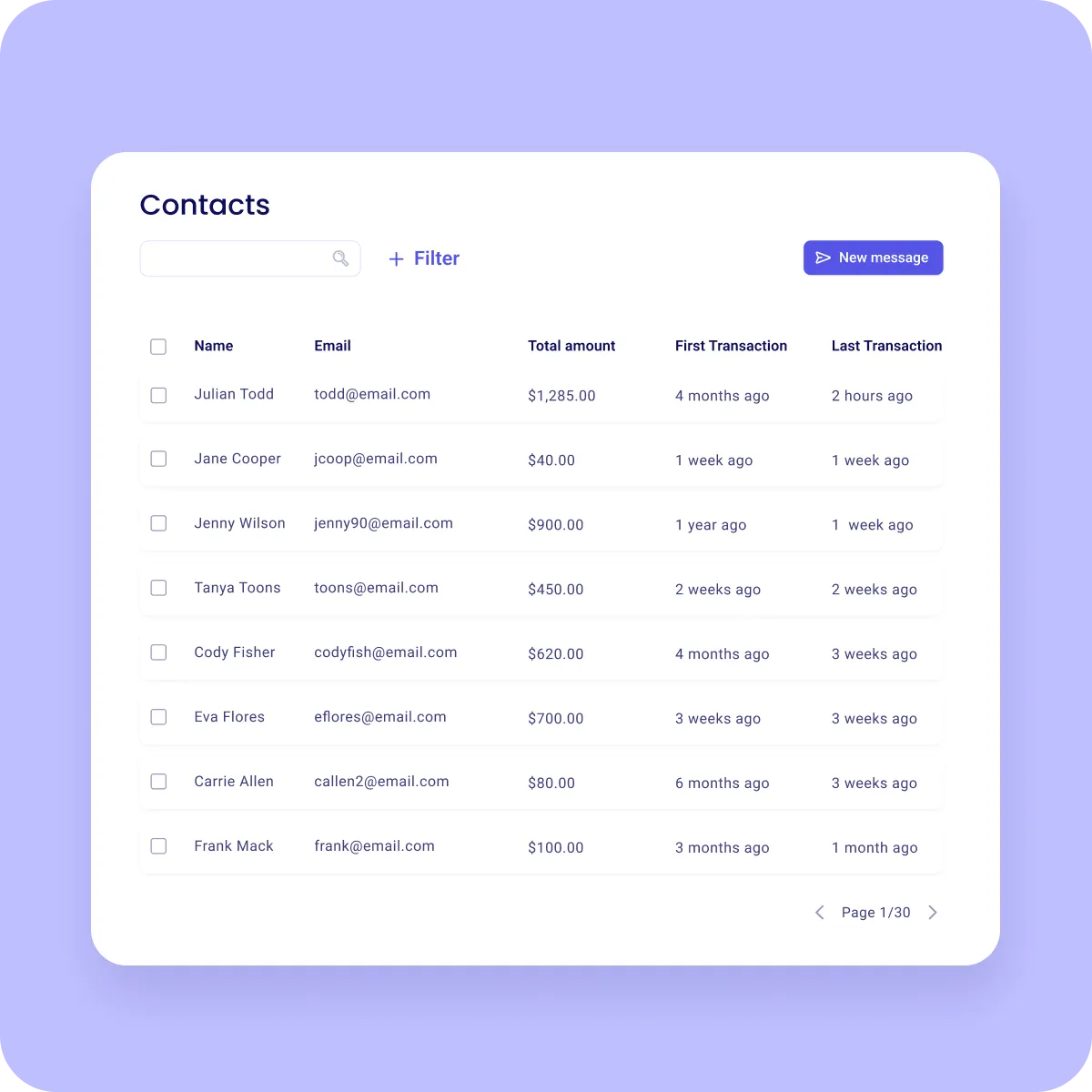
Tools like Keela and Zeffy analyze donor data to uncover patterns and predict future behavior. For example, Keela uses predictive analytics to flag donors at risk of lapsing and recommends tailored re-engagement strategies. Zeffy offers 100% free donor management software to highlight giving trends and identify high-potential donors, helping nonprofits prioritize outreach.
3 types of fundraising analytics for nonprofits to track
1. Descriptive analytics
Shows what happened in your fundraising efforts by examining historical data. Think of it as your fundraising report card, revealing metrics like total donations received, average gift size, and donor growth rates.
Use these insights to benchmark performance and identify basic trends in giving patterns.
Actionable insights
Identify peak donation periods: See when donations are highest, such as holidays, to plan future campaigns effectively
Analyze donor segments: Find which groups, like first-time or recurring donors, give the most and tailor campaigns for them
Track donor retention trends: Identify changes in retention rates and develop strategies to maintain donor engagement
2. Diagnostic analytics
Takes your analysis deeper by explaining why certain outcomes occurred in your campaigns. By connecting data points, you can identify which factors influenced success or challenges.
For example, you might uncover how donation spikes align with specific email campaigns or why certain donor segments respond more positively to particular appeals.
Actionable insights
Evaluate campaign performance by channel: Discover if email, social media, or direct mail worked best
Assess messaging effectiveness: Identify which messages, like personal appeals or urgent calls to action, got the most response
Analyze donor behavior: Understand how different donor groups, like high-value or low-value donors, responded to campaigns
3. Predictive analytics
Moves beyond historical analysis to forecast future donor behavior and campaign outcomes. Using advanced statistical modeling and machine learning, this approach helps anticipate donor churn, identify potential major givers, and optimize campaign timing for maximum impact.
Actionable insights
Identify likely repeat donors: Use donation history to predict who will give again
Detect donor churn risks: Spot donors who might stop giving and re-engage them
Prioritize high-value donors: Target donors most likely to make significant or frequent contributions
How to collect data for fundraising campaigns
1. Define what data matters most
Identify key metrics aligned with your goals, such as donor retention rates, campaign ROI, and giving trends.
Why it helps: Tracking actionable metrics, such as donor retention rates and giving patterns, ensures nonprofits can measure impact effectively and focus their efforts on what drives results.
2. Use centralized donor management tools
Use donor management platforms to store donor information, contributions, and engagement data in one place.
Why it helps: Centralized donor management platforms like Zeffy ensure all donor data is stored in one place, simplifying tracking and reducing administrative burden. These tools improve data consistency, enhance reporting accuracy, and provide donors with a seamless experience through personalized outreach and follow-ups.
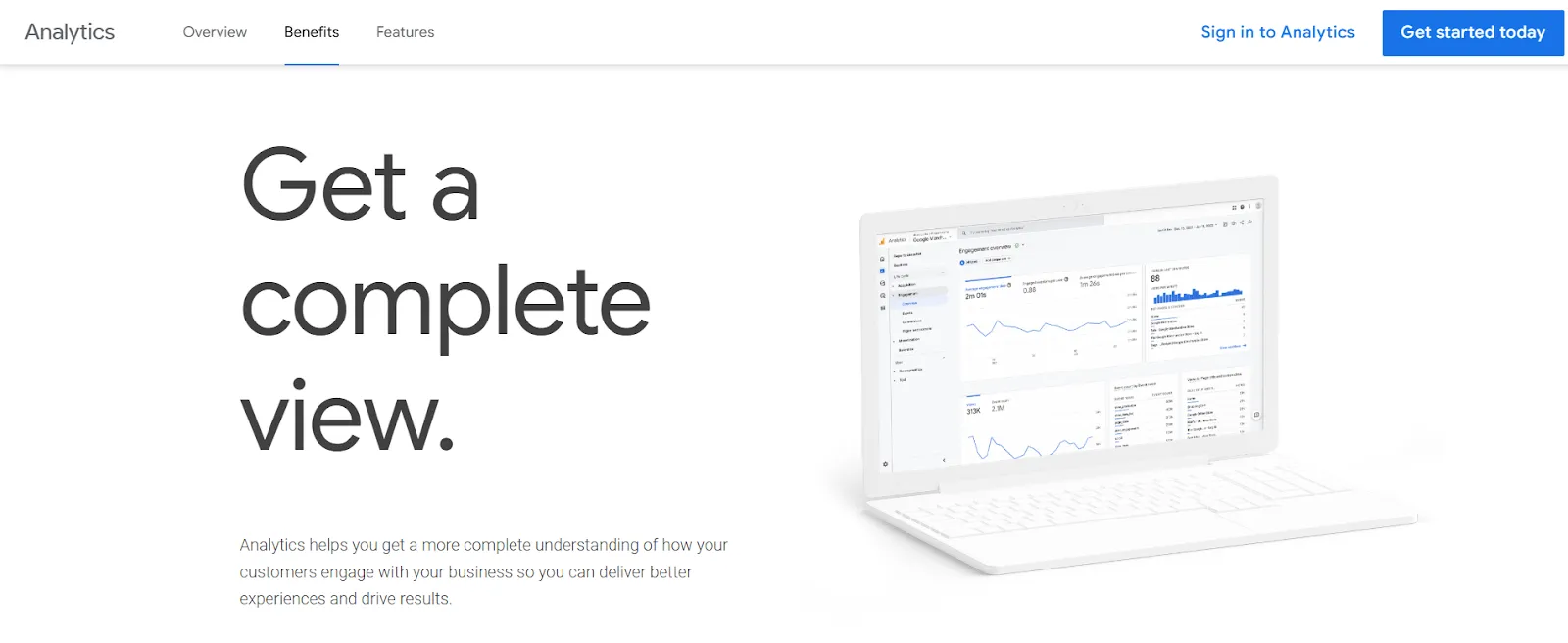
Track donor interactions across emails, event sign-ups, social media, and website visits. Use tools like Google Analytics to monitor page visits, traffic sources, and form submissions more effectively.
Why it helps: Data from multiple channels reveals donor behavior patterns and highlights the most effective platforms.
4. Standardize data entry and organization
Set clear rules for entering donor details, tagging campaigns, and organizing contributions to reduce errors and improve analysis.
Why it helps: Proper organization improves data quality and enables actionable insights during analysis.
5. Automate data collection and analysis
Streamline your nonprofit’s data processes by leveraging tools designed for efficiency and accessibility. Zeffy offers easy data export features, enabling you to transfer donor information into your preferred business intelligence (BI) tools like Google Data Studio or Tableau.
These platforms help you visualize trends, track campaign performance, and uncover actionable insights—all without requiring advanced technical expertise.
Why it helps: Automation saves time, so nonprofits can focus on building stronger relationships.
6. Use insights to enhance campaigns
Turn data into action by identifying top-performing channels, personalizing donor messages, and improving outreach strategies.
Why it helps: Data-driven campaigns lead to smarter outreach, better engagement, and stronger fundraising results.
5 steps to implement data analytics in fundraising campaigns
1. Choose the right analytics tools for your nonprofit
When selecting tools, prioritize those that cater to nonprofits specifically. Zeffy is a fee-free platform ideal for donor management and tracking. For data visualization, consider Tableau or Google Data Studio, which provide intuitive dashboards to analyze trends.
Always choose tools that align with your organization's goals, budget, and technical capabilities.
2. Set clear goals and identify relevant metrics
Determine specific goals, such as improving donor retention or reducing fundraising costs. Align these goals with actionable metrics like donor lifetime value, churn rate, or cost-per-dollar-raised.
For example, tracking churn rates helps identify retention challenges, while donor lifetime value provides insights into long-term engagement.
Combine data from different sources—donation forms, event registrations, social media, and direct mail—into a centralized system that provides a holistic view of donor interactions.
Zeffy makes data management easy by consolidating donor information from its donation forms, event registrations, and campaigns into one simple dashboard. This gives nonprofits a clear view of donor interactions, helping them analyze engagement and plan better strategies.
4. Analyze data to make informed campaign adjustments
Analyze cross-channel performance to allocate resources strategically. For instance, if social media generates higher donation rates, prioritize and invest in those digital engagement strategies.
Use insights from performance data to refine your approach, ensuring every channel contributes to your overall fundraising goals.
5. Monitor and refine analytics over time
Continuously track performance metrics to ensure strategies are effective. Use dashboards or data visualization tools to track changes in donor behavior and adjust your campaigns as needed. Regular updates ensure your efforts stay relevant and impactful.
How can you enhance donor engagement through analytics?
Personalizing communication
Data analysis reveals individual donor preferences, enabling hyper-targeted messaging that resonates with specific donor interests and giving histories.
For example, sending an email about education programs to a donor who has supported these initiatives in the past increases relevance and engagement.
Personalizing communication builds stronger connections and boosts donor loyalty over time.
Donors differ in how often they give, how much they give, and which causes they support. Data analytics helps group donors by metrics like recency, frequency, and monetary value (RFM).
For example, donors who give $500 twice a year can be targeted with appeals for long-term programs. These targeted campaigns match messages to donor interests, increasing response rates and results.
Predicting donor retention
Predictive analytics spots patterns in donor behavior, highlighting those at risk of leaving and those likely to give again. Acting on these insights helps nonprofits re-engage donors and strengthen long-term support.
For example, if donors stop giving regularly, they can be re-engaged with a message showing how their past donations made a difference. Focusing on these insights helps keep donors and secure long-term funding.
Optimizing campaign timing
Use data-driven insights to strategically time fundraising appeals, taking advantage of periods of heightened donor responsiveness, such as year-end giving seasons.
By aligning outreach with these trends, nonprofits can plan campaigns for high-impact periods, maximizing effort and boosting donations.
Identifying and understanding donor demographics
Demographics give valuable insights into who supports the nonprofit and how to engage them. Analytics show details like age, location, and preferred giving methods.
For example, younger donors may prefer online giving, while more senior ones respond to direct mail. Understanding these differences helps nonprofits create targeted campaigns and focus on the best strategies.
Check out the top 5 online giving trends and best practices for nonprofits in 2025 [Coming Soon]
3 common challenges in data-driven fundraising
1. Data privacy
Donors trust nonprofits to keep their personal information safe. A data breach or misuse can break that trust and damage a nonprofit's reputation, making data security a top priority.
How to fix it:
Encrypt sensitive donor data and restrict access to only essential personnel
Use secure donor management platforms to store and handle information safely
Include clear privacy policies on donation forms to show donors how their data will be used responsibly
2. Limited resources
Small teams and tight budgets make it difficult for nonprofits to invest in advanced tools, hire data experts, or dedicate time to data management.
How to fix it:
Automate repetitive tasks using tools for email campaigns or donor outreach
Prioritize essential metrics like donor retention, cost-per-dollar-raised, and lifetime value to focus on what impacts results the most
Leverage free or low-cost platforms that support data collection and analysis efficiently
3. Data overload
By setting clear priorities and using advanced filtering tools, nonprofits can manage large data volumes effectively and focus on the most important insights.
How to fix it:
Focus on a few critical metrics, such as campaign ROI and donor retention rates, to guide decisions
Simplify data interpretation using visualization tools like Google Sheets or Tableau to spot patterns easily
Align data collection with specific goals to avoid unnecessary information that doesn’t support your campaigns
Final thoughts on data analytics for nonprofits
Data analytics is transforming how nonprofits raise funds, engage donors, and achieve their missions. By identifying trends and measuring what works, nonprofits can refine their strategies and allocate resources effectively.
With actionable insights, organizations can build stronger donor relationships and improve campaign results.
Implementing data analytics doesn’t have to be overwhelming or expensive. The right tools simplify the process and make it accessible for nonprofits of all sizes. Zeffy provides a 100% free donor management platform that tracks and monitors donor information, helping you manage relationships and make data-driven decisions—without any fees.
External data, such as economic trends, social media activity, and regional demographics, adds context to donor analytics. Nonprofits can use this data to identify patterns, like when donors are most likely to give. This helps adjust outreach strategies and identify new donors.
External data also helps nonprofits expand their donor base by understanding broader trends.
Business intelligence connects data from donor platforms, operations, and external sources. It provides dashboards with real-time metrics, making it easier to make quick decisions.
Nonprofits can spot underperforming programs, compare them to successful ones, and decide where to focus resources. Business intelligence also helps plan for the future by showing trends and opportunities.
Natural language processing (NLP) studies text data, like emails, donor feedback, and social media comments. Nonprofits use NLP to understand donor sentiment and create more effective messages.
For example, analyzing donor emails can show common concerns or interests, which can guide future campaigns.
Key trends include the rise of artificial intelligence, automated data collection, and deeper use of social media data.
Predictive modeling tools like ML software and data visualization platforms like dashboards are becoming more advanced. These tools help nonprofits analyze donor behavior, boost engagement, and refine their fundraising strategies for better results.
Le seul Sans frais plateforme de collecte de fonds pour les organismes à but non lucratif
Oups ! Quelque chose s'est mal passé lors de la soumission du formulaire.
Continuez à lire :
Nonprofit guides
Google Analytics for Nonprofits: A Comprehensive Guide
Learn how Google Analytics can help you improve your nonprofit’s performance. Get insights on tracking key metrics and optimizing your marketing campaigns.
Zeffy est Sans frais et le sera toujours. (Nous couvrons même les frais de transaction.) Inscrivez-vous et commencez à collecte de fonds gratuitement dès aujourd'hui
Avec Zeffy, 100 % de l'argent que vous collectez va à votre cause. <br>Non de frais de carte de crédit. Non de frais de plateforme. Période Non frais.
Le saviez-vous que vous connaissez/que tu connais
S'inscrire gratuitement
Avec Zeffy, 100 % de l'argent que vous collectez va à votre cause. <br>Non de frais de carte de crédit. Non de frais de plateforme. Période Non frais.
Perspectives tirées de transactions mensuelles de plus de 100 M$
Victoires rapides pour vous :
Recherchez des personnes qui assistent à des événements connexes, qui suivent des groupes Facebook pertinents ou qui s'abonnent à des bulletins d'information alignés. Ce ne sont pas seulement des donateurs potentiels, ce sont vos futurs défenseurs.
Recherchez des personnes qui assistent à des événements connexes, qui suivent des groupes Facebook pertinents ou qui s'abonnent à des bulletins d'information alignés. Ce ne sont pas seulement des donateurs potentiels, ce sont vos futurs défenseurs.
Comment Loose ENDS a transformé les économies de frais en impact sur la mission
1 715$
sauvé
1
nouvelle embauche
2500+
projets textiles finis
Il s'agit d'un texte à l'intérieur d'un bloc div.
Il s'agit d'un texte à l'intérieur d'un bloc div.
Il s'agit d'un texte à l'intérieur d'un bloc div.
Il s'agit d'un texte à l'intérieur d'un bloc div.
Il s'agit d'un texte à l'intérieur d'un bloc div.
Il s'agit d'un texte à l'intérieur d'un bloc div.
Il s'agit d'un texte à l'intérieur d'un bloc div.
Il s'agit d'un texte à l'intérieur d'un bloc div.
Il s'agit d'un texte à l'intérieur d'un bloc div.
Il s'agit d'un texte à l'intérieur d'un bloc div.
Il s'agit d'un texte à l'intérieur d'un bloc div.
Il s'agit d'un texte à l'intérieur d'un bloc div.
En-tête
En-tête
En-tête
En-tête
En-tête
Dites toujours merci Chaque donateur reçoit un courriel de remerciement automatique et de marque dès qu'il donne. C'est rapide, personnel et complètement interpersonnel.





.webp)

