


We use cookies to improve your experience on our platform. By clicking “Accept all cookies”, you agree to the storing of cookies on your device to enhance site navigation, analyze site usage and assist in our marketing efforts.


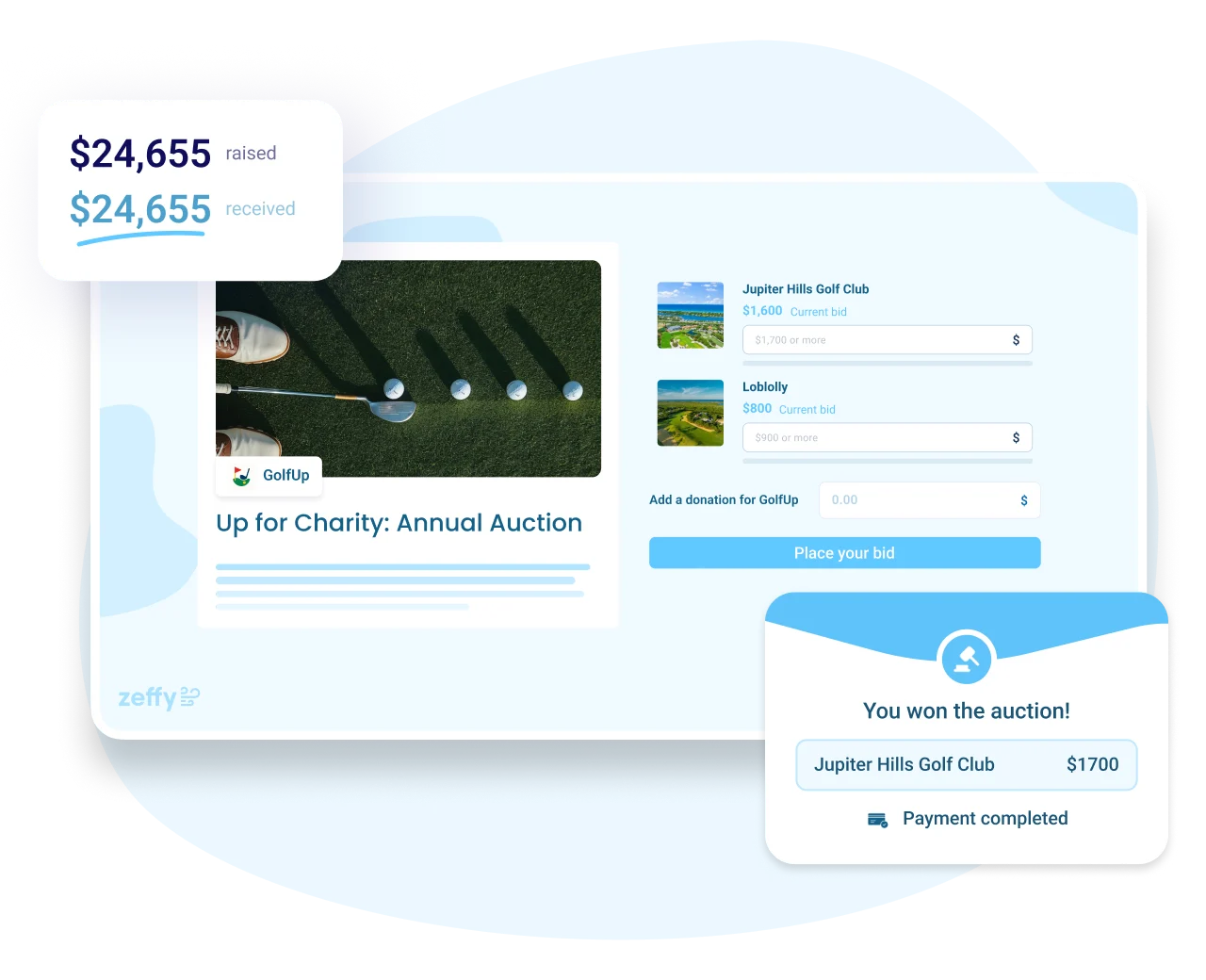
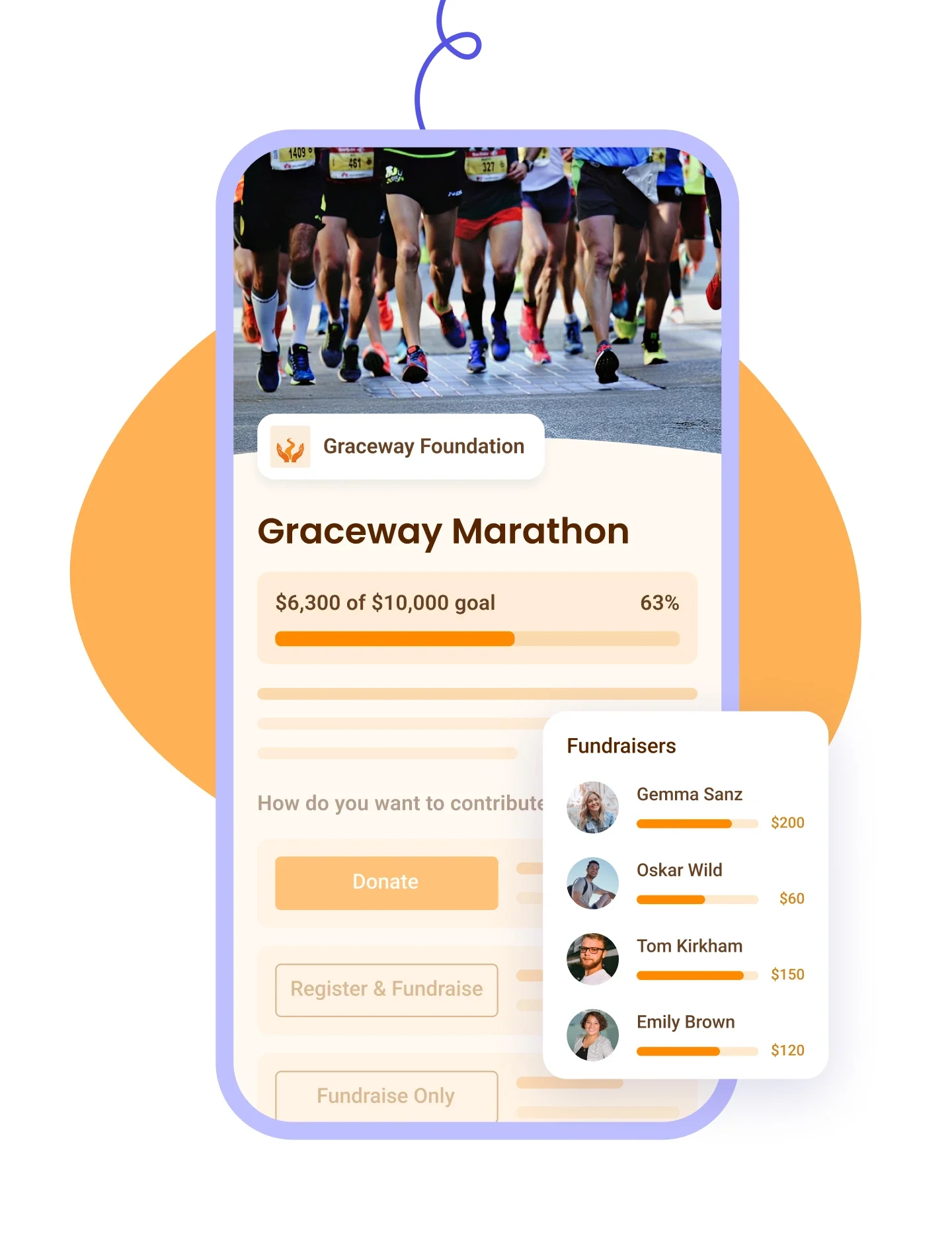
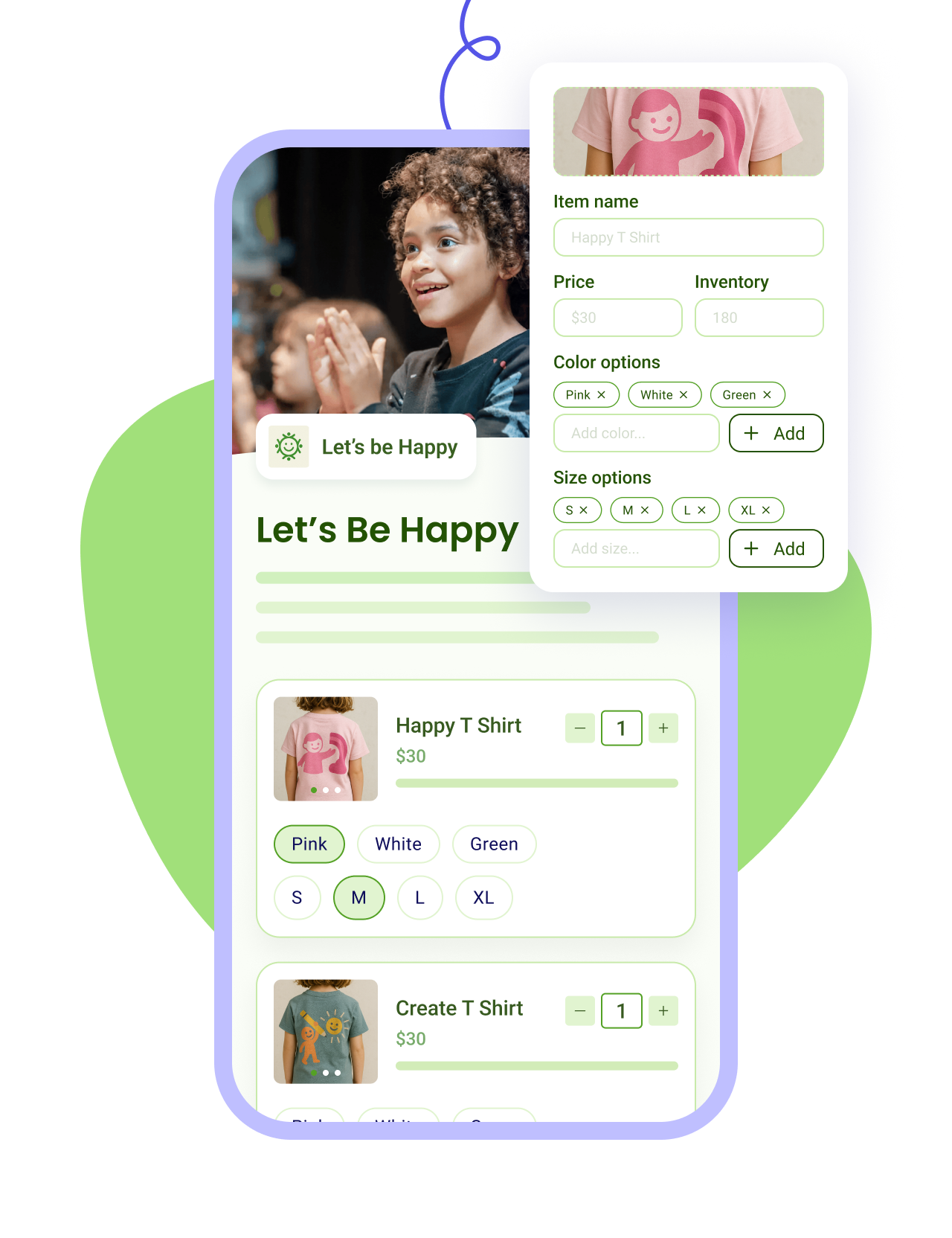
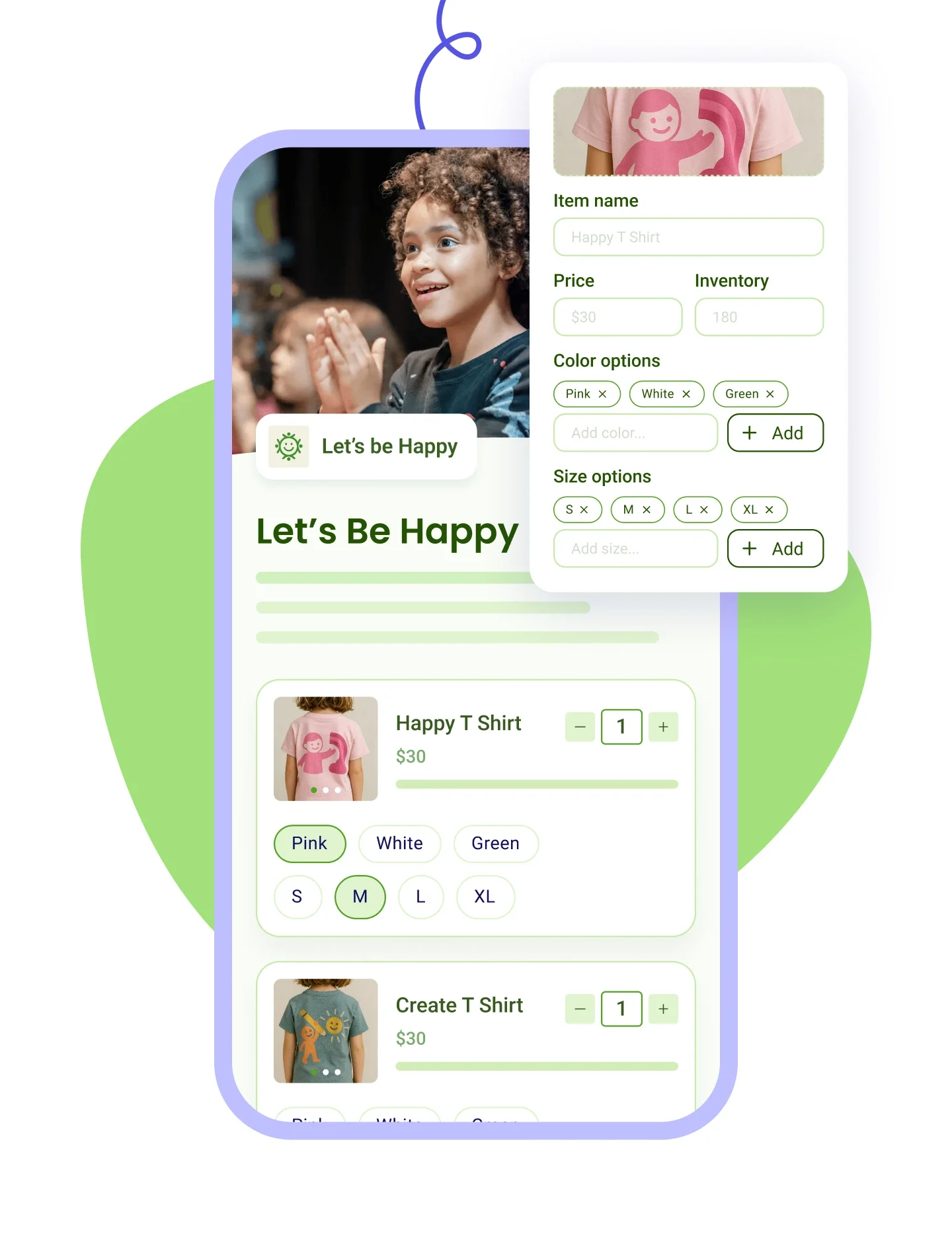
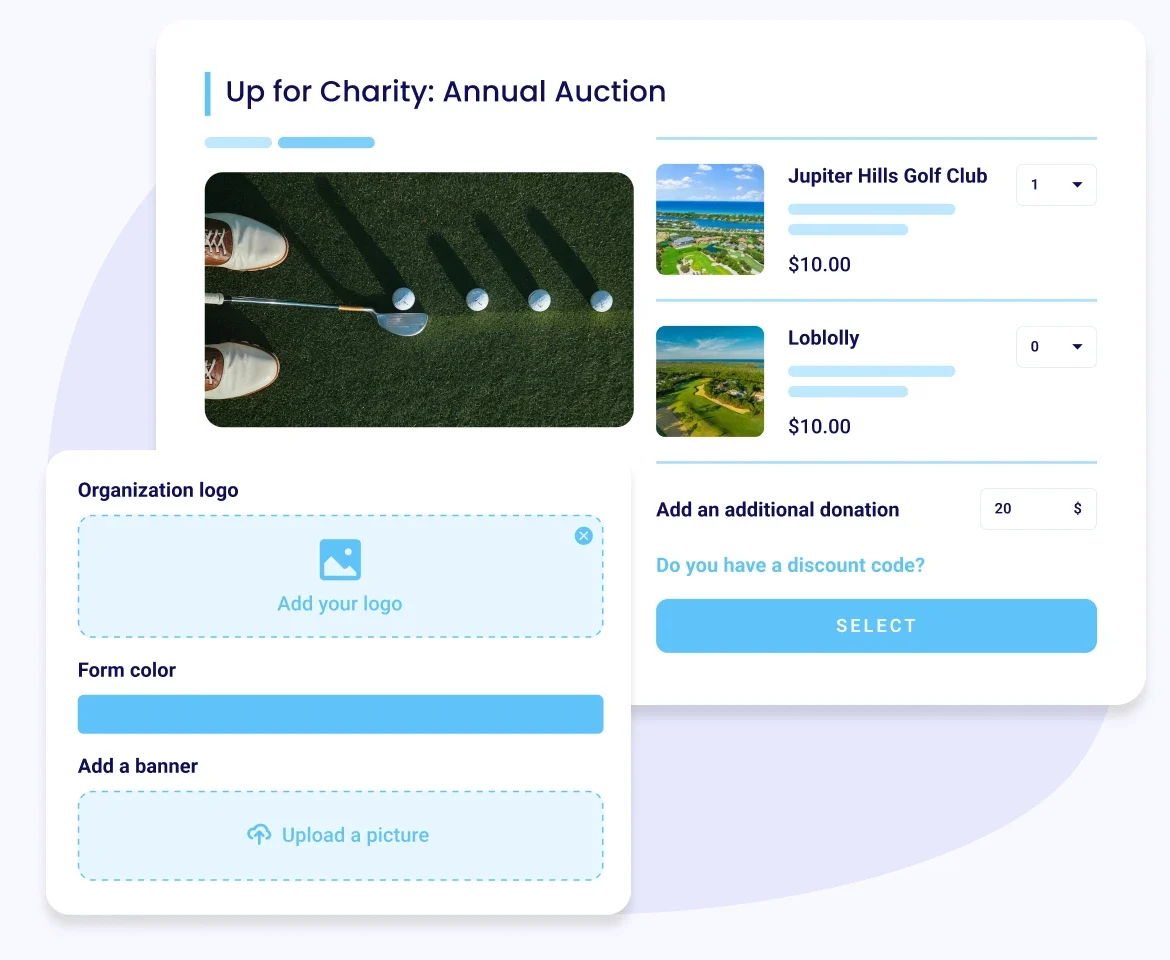
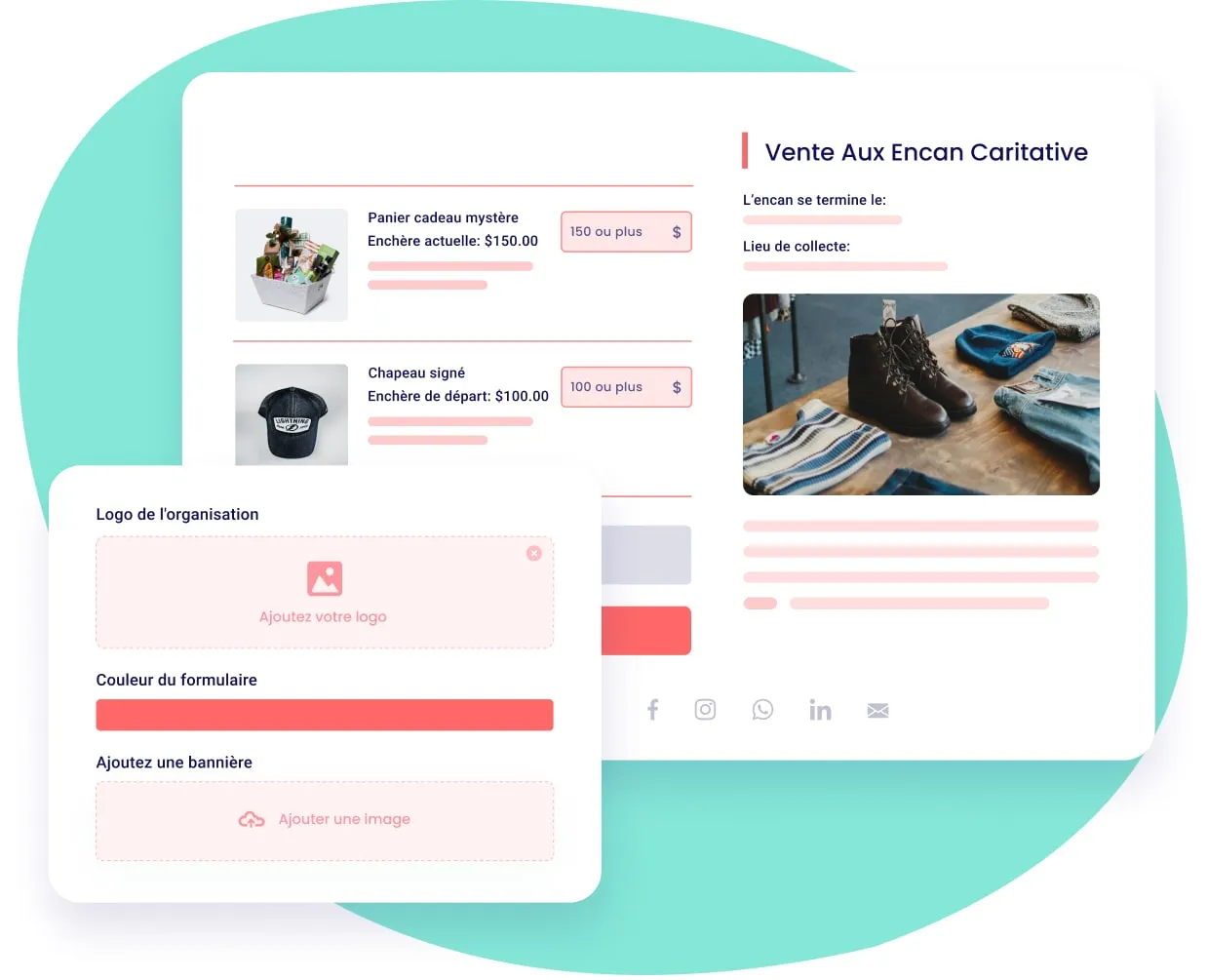
Online auctions. Launch in minutes. Customize forms to increase bids. Set bid increments. Share with supporters.

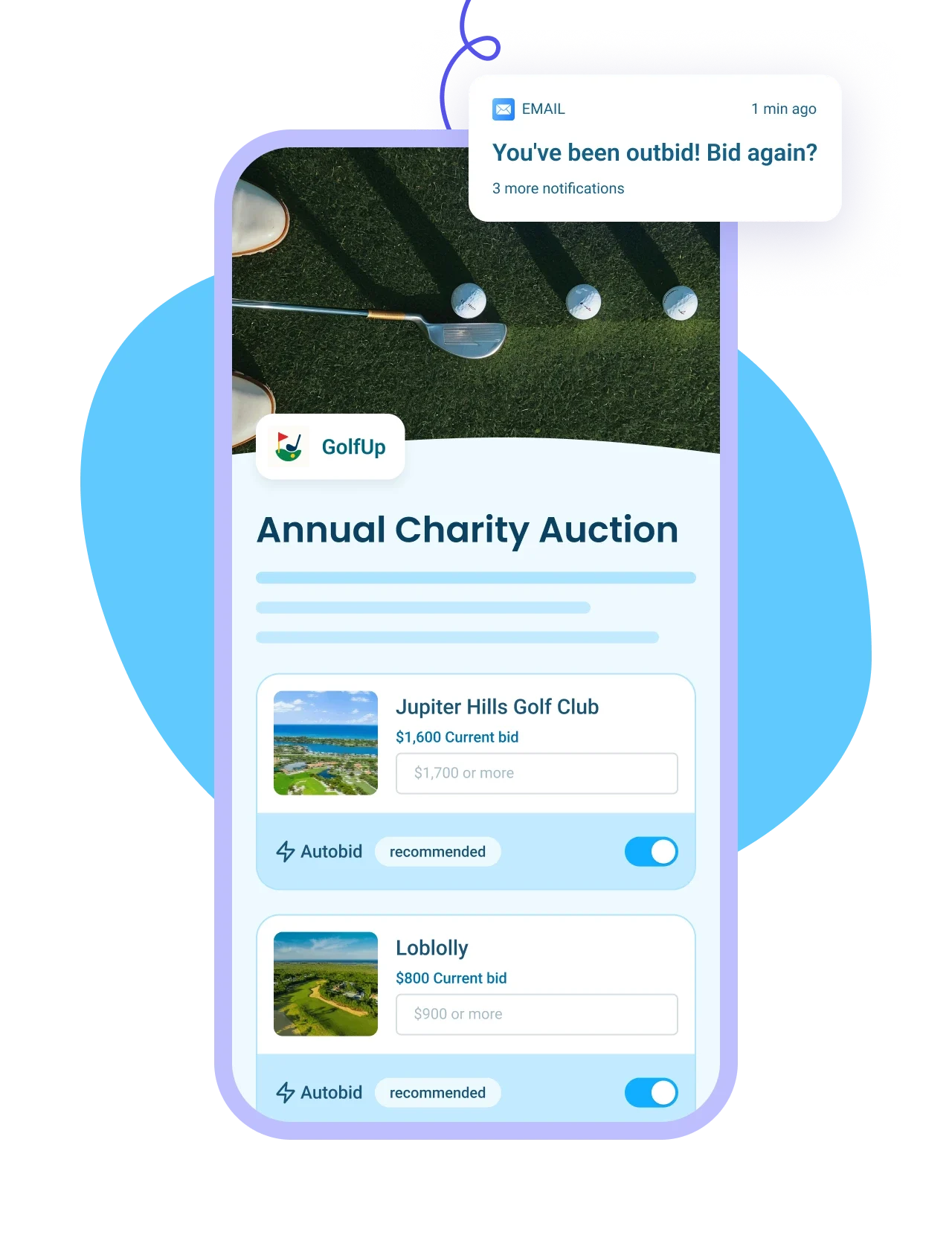
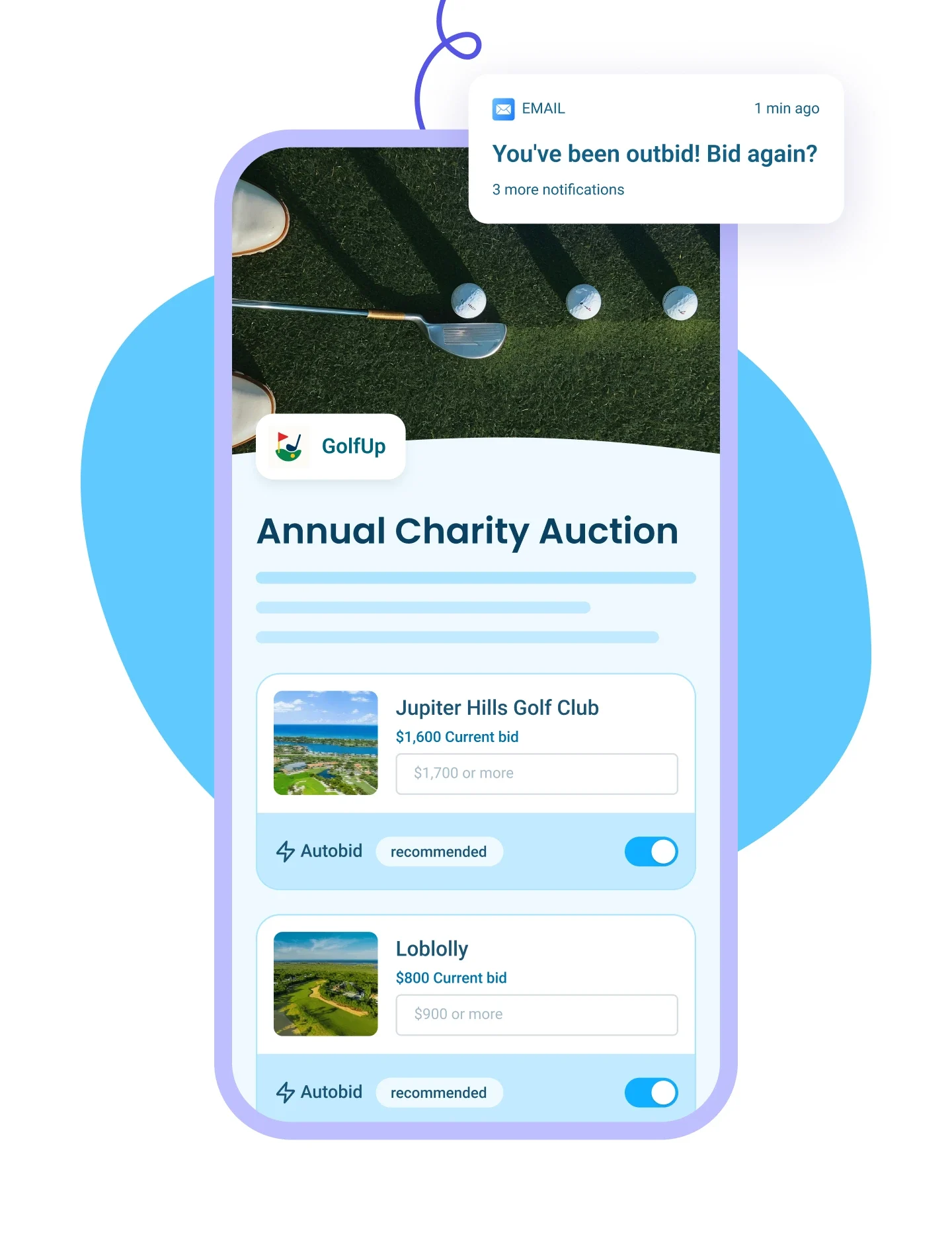
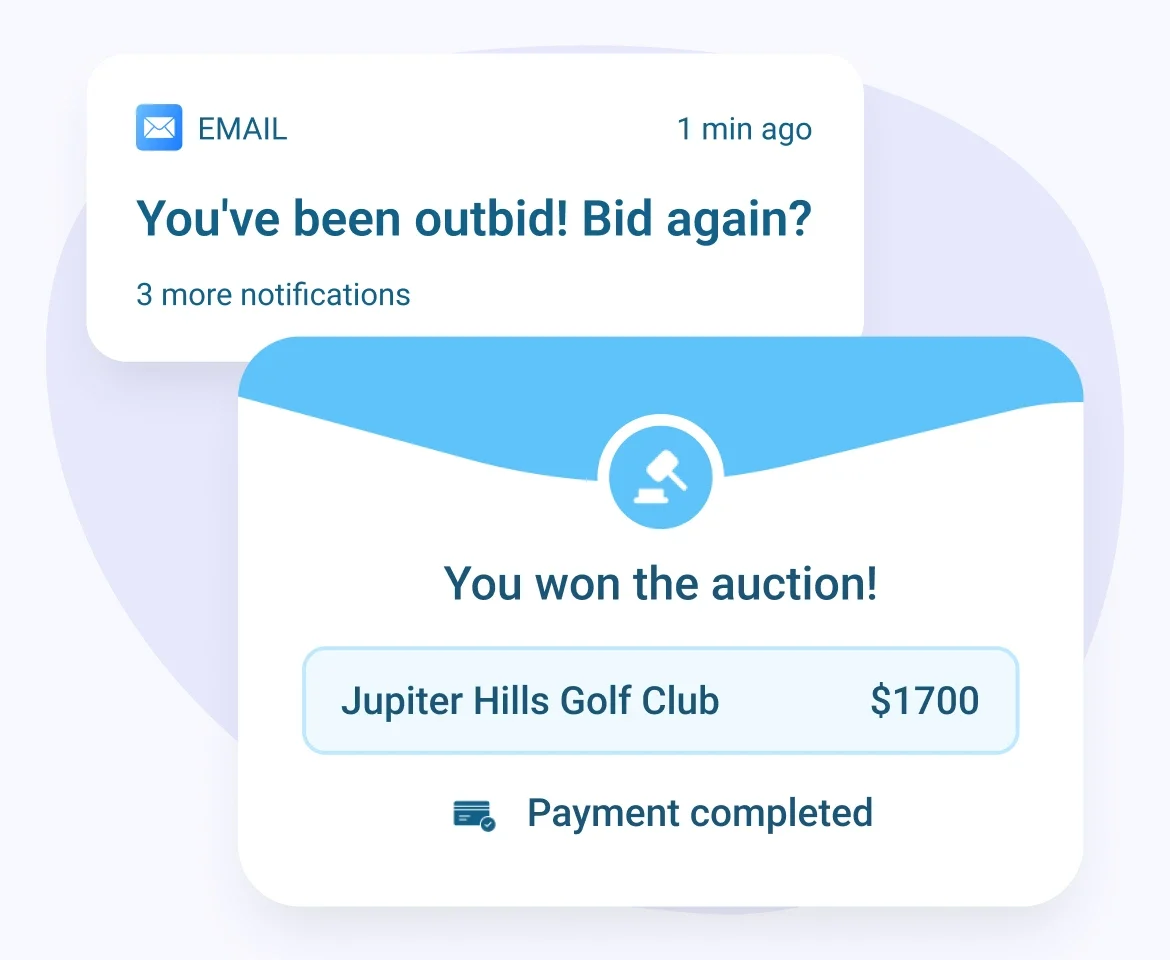
Management. Auto-send outbid notifications. Drive higher bidding. Track bids, item performance, and participants.

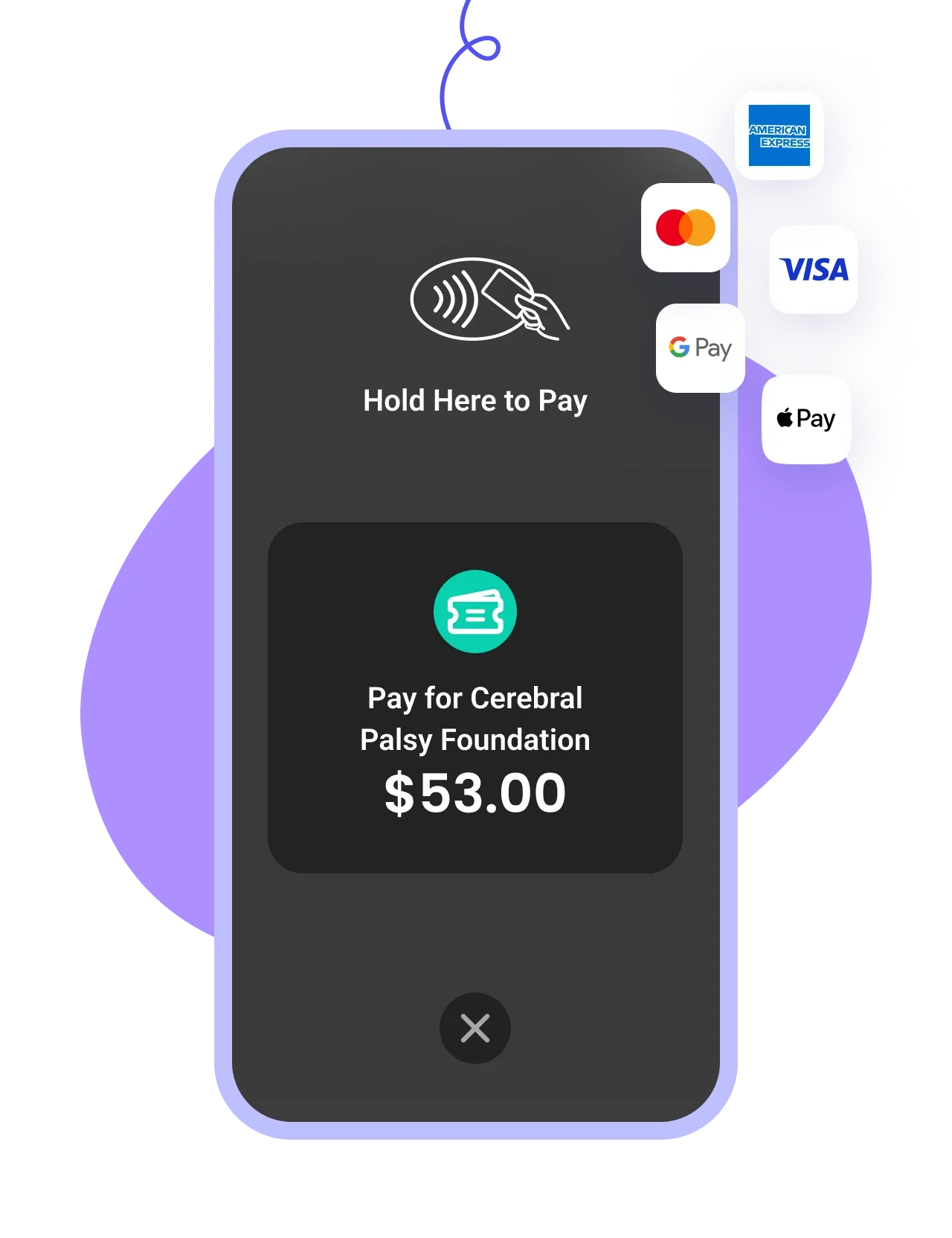
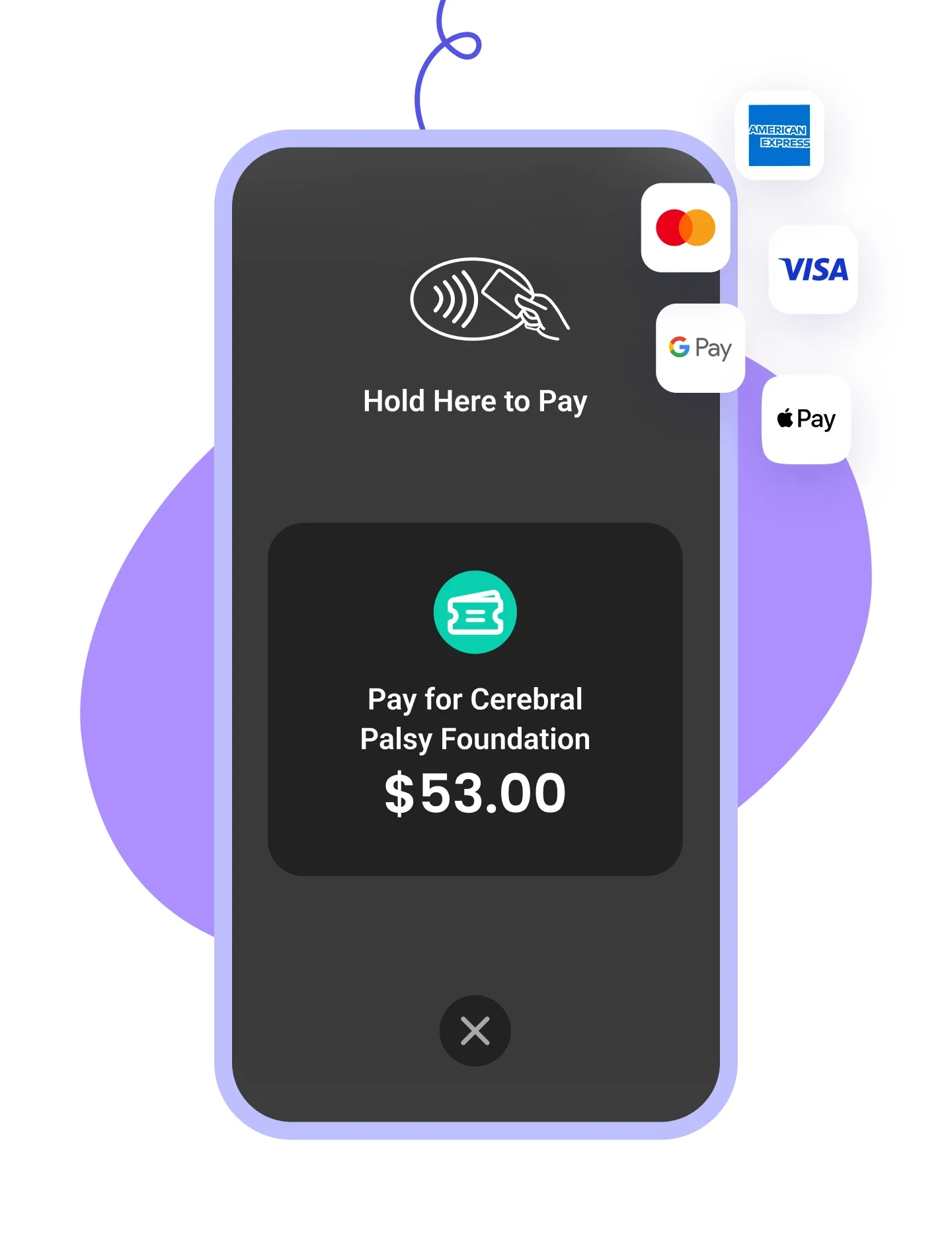
Payments. Auto-collect payments. Accept cards, Apple Pay, Google Pay, etc. No credit card, transaction, or platform fees.






































.png)
If you're running an online auction, yes, and cost is usually what decides it: Zeffy takes nothing, so a $400 winning bid is $400 for your cause. More than 8,000 nonprofits have run an auction on Zeffy.
You get item pages with photos, bidding from any phone with no app to download and no account to create, auto-bidding so a supporter can set their maximum and let it run, automatic outbid alerts by email and text, and anti-sniping so a last-second bid can't quietly steal an item. It's built for nonprofits rather than adapted for them, which is why your auction sits in the same account as your donations, events and donor records.
Where it isn't the right tool: a gala built around an auctioneer calling live bids.
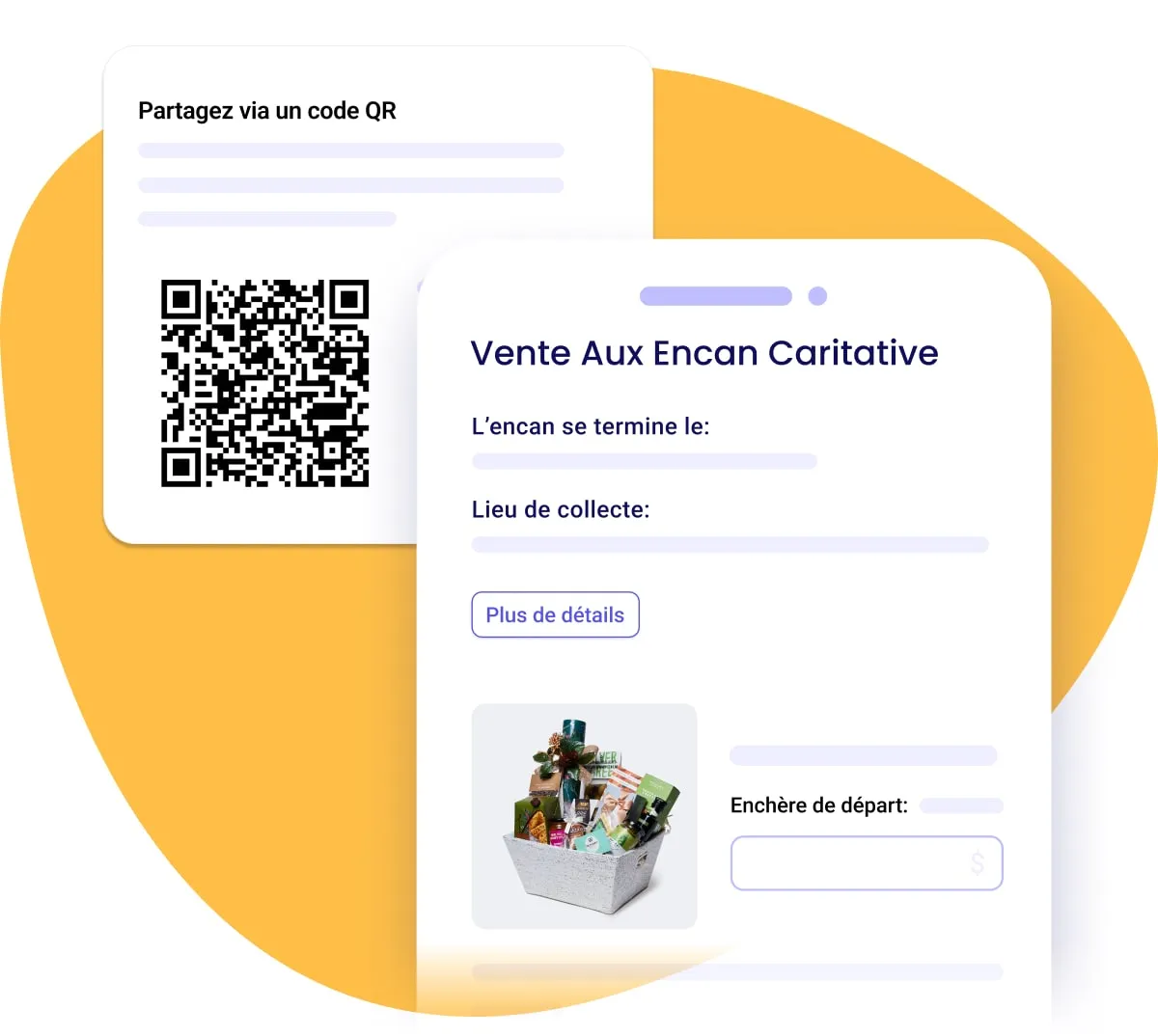
Create your auction page, add each item with a photo, a starting bid and a minimum bid increment, then set your open and close dates so bidding starts and stops exactly when you want. You can also set a pick-up location so winners know where to collect, and Zeffy tracks every bid from there so you can watch it happen instead of managing it. If you want the full run-up, from securing items to promoting the auction, our guide to hosting a silent auction walks through it in nine steps.
"I set up a 13 item virtual auction that was easy at both the back end and the user end."
Cathy W., Program Director (G2)
Online auctions, sometimes called silent auctions: you list your items, supporters bid from their phones until your close time, and the highest bid on each item wins. That works whether they're bidding from home or sitting in the room at your event.
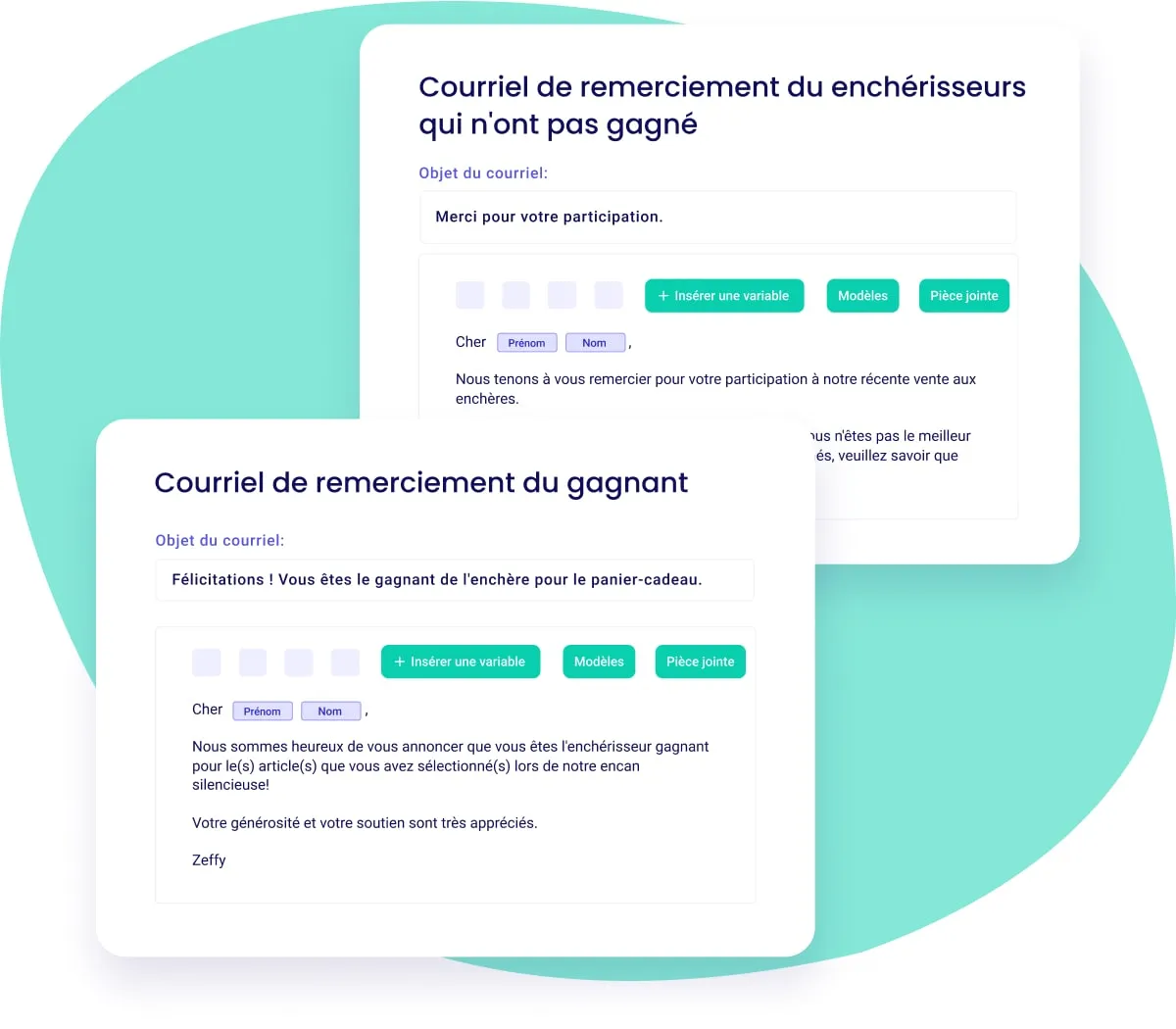
For your bidders it's deliberately light. There's no app and no account to create, just their contact and payment details on the first bid, and their card is saved after that so bidding again takes a couple of taps. Anyone who doesn't want to watch their phone can set a maximum and let auto-bidding hold their place, with Zeffy placing the increment for them until someone goes past it. Each item shows who's winning right now and the bids that came before, so it feels like a contest rather than a form. When your auction closes, winning bids are charged automatically.
If your gala centers on an auctioneer calling live bids, that needs a different setup, and there's an answer further down on collecting that money through Zeffy.
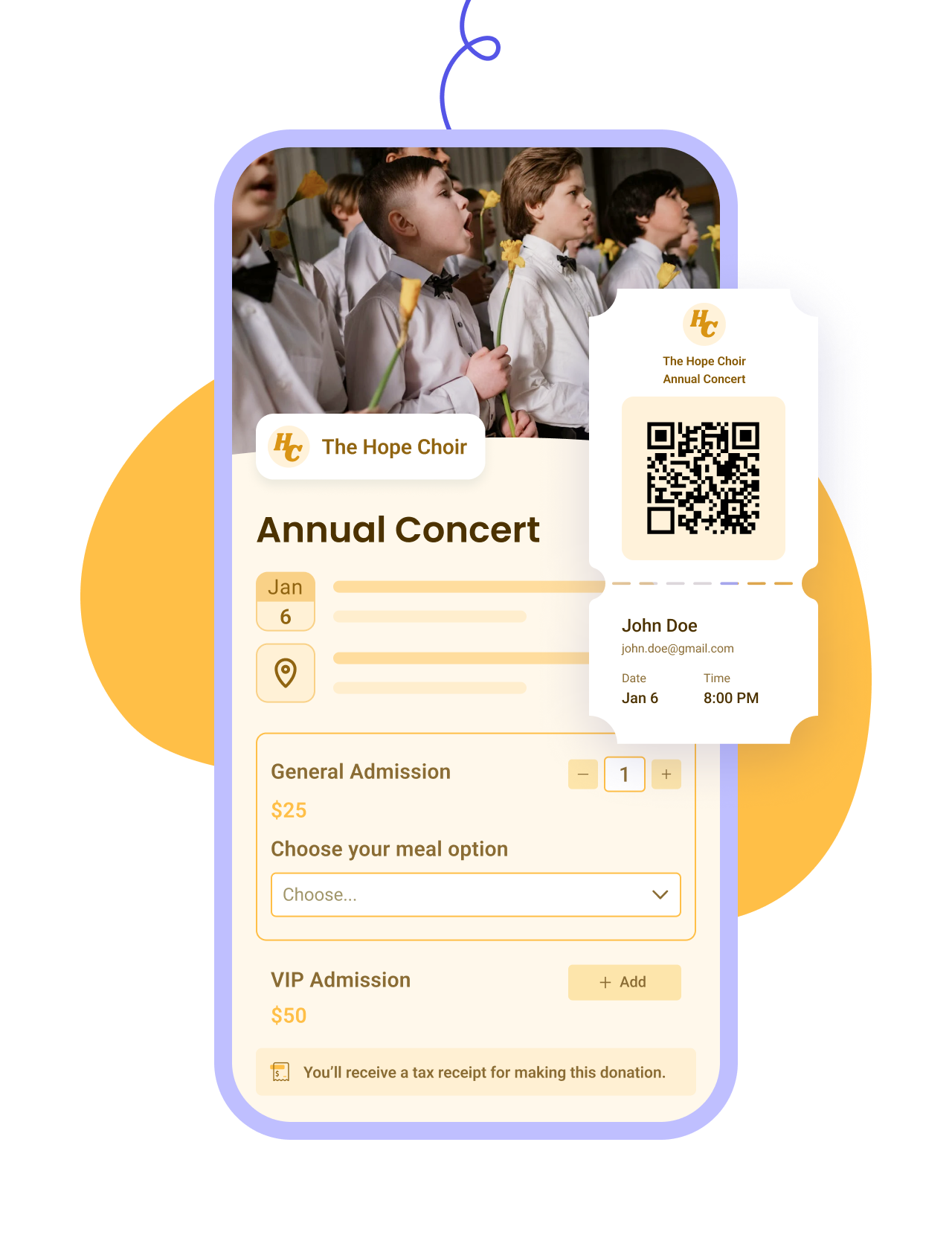
Put your auction's QR code on the tables or a screen, and guests scan and bid from their own phones with nothing to download and no account to create. Anyone who gets outbid hears about it straight away, by email and by text, which is what keeps the bidding moving during dinner. Everyone also gets a text when the auction is about to close, which matters in a room where nobody is watching their inbox. Guests who would rather not watch their phone all evening can set a maximum instead and let auto-bidding hold their place, and they're only alerted if someone goes past it. And if someone bids in the final seconds, anti-sniping pushes that item's close time out by three minutes so the person they outbid gets a fair chance to respond, up to half an hour of extensions.
Automatically. When your close time passes, Zeffy charges the winning bid to the card that bidder already entered and emails them a receipt, so you're not chasing anyone the week after the event.
Yes. Turn on offline and cash bids and supporters can take part without entering payment details. Those winners aren't charged automatically, so you collect and record their payment yourself.
If an item gets no bids by the time your auction closes, no payment is collected and the item simply goes unsold. You'll know exactly which ones: export your auction as an itemized payments report and every bid shows against the item it was placed on, so you can see what drew interest and what to price differently or leave out next time.
Zeffy runs online auctions with no platform fee, no per-item fee and no fee on winning bids. Auction platforms in this category usually combine an annual subscription or a per-event package with card processing on top, and often price bidding hardware or event-night support as separate lines, so the number you compare against is rarely just one number. Our Zeffy vs Handbid comparison has the side-by-side detail.
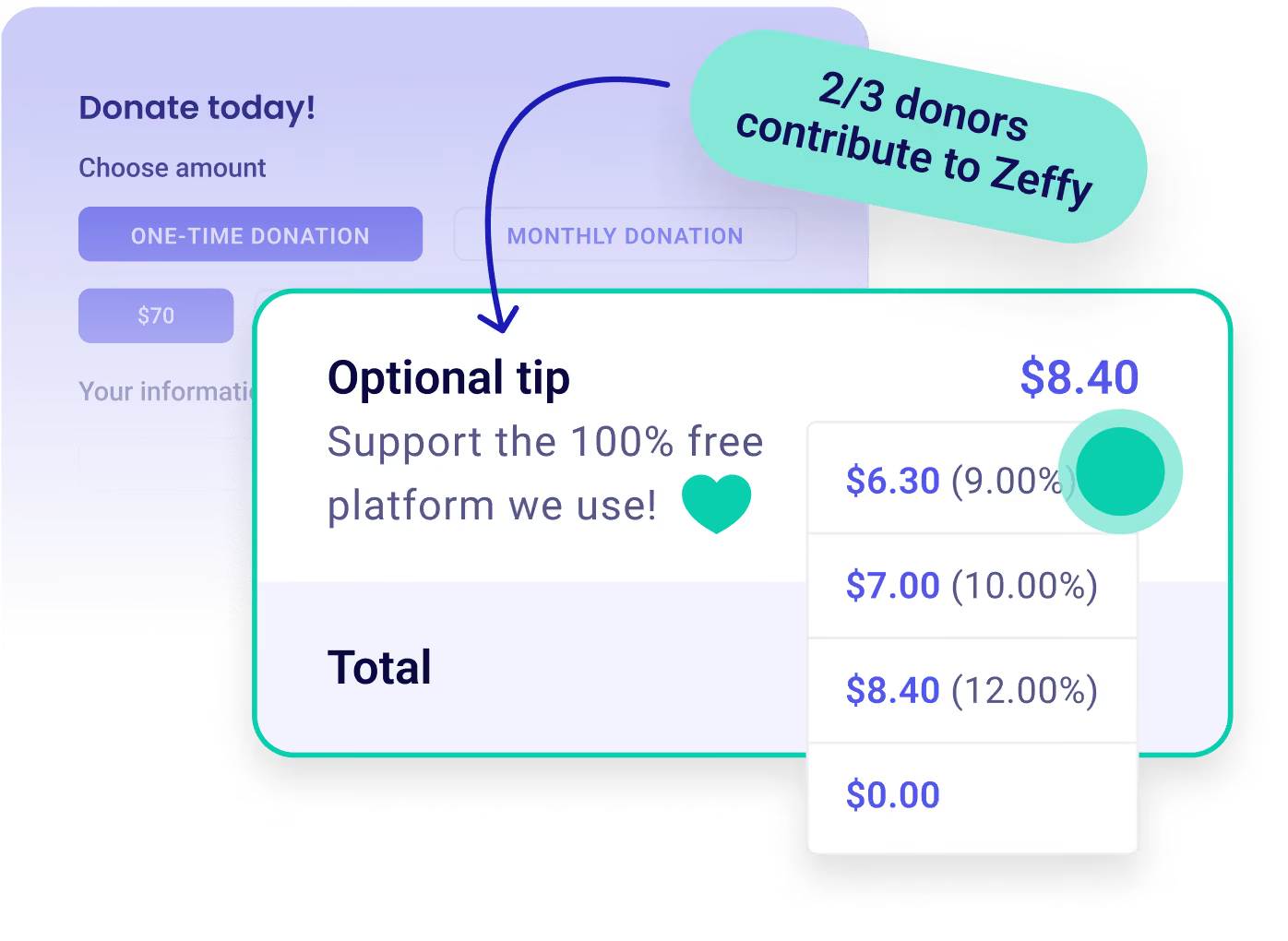
Your auction keeps everything it raises. A winning bid of $400 reaches your nonprofit's bank account as $400, with no platform fee, no per-item fee and no card fee, however many items you list. Zeffy is funded by an optional contribution bidders can add at checkout, and your total is the same either way. See how Zeffy stays free if you want the mechanics.
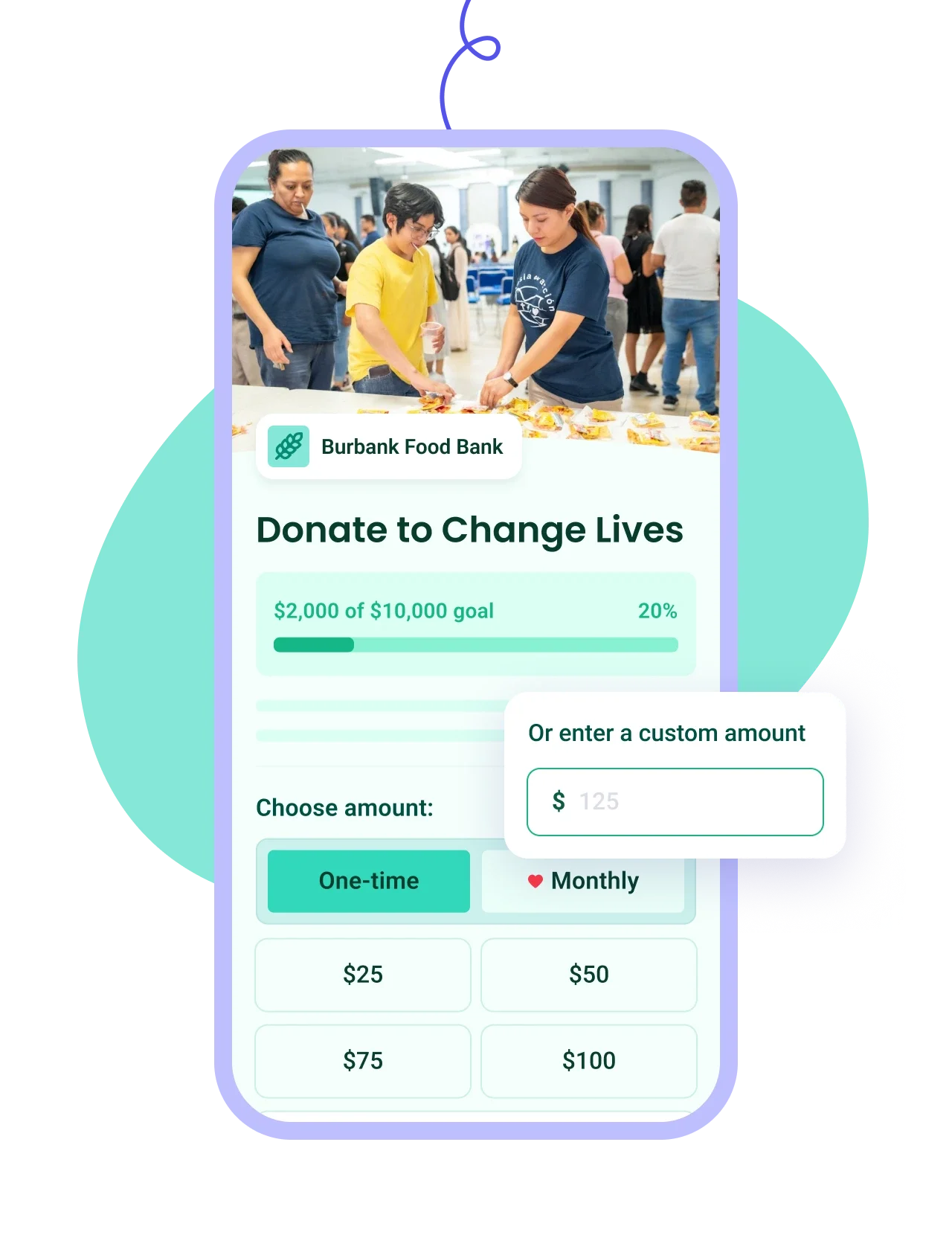
For collecting the money, yes. Zeffy's auction feature is built for online bidding that closes on a timer rather than an auctioneer calling bids, so the live part happens in the room as it always has. To take the money, set up a donation form and turn off the preset amounts so only a custom amount box remains, then charge each winner their hammer price with the free Tap to Pay app or by pointing them at the form's QR code. It has to be a donation form rather than your auction form, because Tap to Pay doesn't read auction forms. Your online auction still runs on the auction form, and both land in the same dashboard.
Yes. Set your open date for the day you want bidding to start, then add your items at whatever pace the donations come in. Nothing opens before that date, so the form can sit half-built without anyone bidding on a lot you haven't finished describing.
.webp)


