We use cookies to improve your experience on our platform. By clicking “Accept all cookies”, you agree to the storing of cookies on your device to enhance site navigation, analyze site usage and assist in our marketing efforts.
Cookies required for basic website functionality.
Cookies used to deliver content most relevant to you and your needs.
Cookies used to deliver content most relevant to you and your needs.
Cookies that help understand the performance of the website, how users interact with it and to identify bugs.
How is Zeffy free?
How is Zeffy free?
Zeffy relies entirely on optional contributions from donors. At the payment confirmation step - we ask donors to leave an optional contribution to Zeffy.
Social media for charities: top strategies for 2026
July 2, 2026
Social media is a powerful tool for UK charities to expand their reach, engage supporters, and drive fundraising. This guide explores how social media can help you build trust, connect with donors, and inspire action, with practical strategies tailored to the UK charity landscape.
Social media lets a small UK charity reach supporters without a marketing budget. Done well, it builds genuine trust, grows your donor base, and brings your community together around a shared cause.
Here are some of the key benefits for charitable organisations.
A simple way to build trust
Social media posts are excellent for building real trust with your followers. Share your authentic voice and show the positive impact you are making, straight from the source.
By posting about your fundraising projects, impact reports, and mission, you give your donors a clear view of the meaningful work you are doing in the community. This builds confidence and encourages more people to support your organisation's mission.
Cost-effective platforms for storytelling
Social media levels the playing field, allowing even small charities to spread the word about their mission without spending heavily on costly campaigns. Posting is free: all you need to do is publish consistently engaging content to create a strong presence.
Use your creativity to tell your story on social media and see the difference in your online presence, while keeping costs down.
Promote your charity events
Whether you are organising an in-person gathering or an online event, social media platforms help you spread the word, rally supporters, and bring your community together for a worthy cause.
Posting about your upcoming fundraising events boosts awareness and drives registrations.
Paid social ads allow you to target precisely to reach the right people. You can narrow your audience based on:
Location
Interests aligned with your cause
Lookalike audiences built from your own consented supporter list
Any paid social must comply with the Code of Fundraising Practice (Section 9, effective 1 November 2025) and UK GDPR. The Fundraising Regulator provides clear guidance on what is and is not acceptable in online fundraising communications.
If your event includes a raffle or prize draw promoted on social, remember that raffles fall under the Gambling Act 2005. Most charity raffles register as a small society lottery with your local council (£40 initial registration fee, at least 20% of proceeds to the cause, and a £20,000 single-draw cap). Do not promote a raffle on social media without registering first. (Gambling Commission, small society lotteries guidance)
Run a sponsored event or peer-to-peer campaign
Combine the range of social media platforms with the features of a free fundraising platform to launch peer-to-peer campaigns, encouraging your followers to fundraise on your behalf.
The UK has a strong tradition of sponsored fundraising: sponsored runs, walks, silences, and challenge events. If your fundraisers are taking part in the TCS London Marathon or the Great Run series, they will be on Enthuse by contract. For every other sponsored event, a free platform like Zeffy removes the friction of the JustGiving voluntary contribution prompt, meaning more of each donation reaches your cause.
Gift Aid and social media: what UK charities need to know
Not all social donation routes carry Gift Aid in the same way, and this matters for your charity's income.
When a donor gives via a charity-hosted donate page (a link you post to social), Gift Aid is claimed directly by your charity through HMRC Charities Online via a standard Gift Aid declaration. Your charity keeps the donor relationship and can follow up.
When a donor gives in-app via Facebook or Instagram, the donation is processed by an intermediary (currently PayPal Giving Fund UK). The intermediary claims Gift Aid on the charity's behalf, but your charity does not receive the donor's contact details. That is the trade-off: frictionless in-app giving versus a direct donor relationship and in-house Gift Aid.
For most small UK charities, a link to a charity-hosted donate page posted to social will deliver more long-term value. (HMRC, Gift Aid guidance)
Expand reach and visibility
Connect with new people and share your message and mission with them. A social media presence helps you increase visibility, gain followers, and generate awareness with the right content and strategy.
Attract new talent
Post job openings and volunteer opportunities to reach new audiences who may be interested in working with you.
Highlight the benefits of working for your organisation by sharing testimonials and a glimpse of your working culture. Attract the right people and build a strong team to support your mission. UK charities often recruit via CharityJob, social posts can direct interested applicants there.
10 strategies to strengthen your charity's social presence
Using the strategies below, develop a clear and effective approach to attract new donors and build lasting relationships. An active social media presence allows charities to reach potential donors, showcase their work, and build awareness for fundraising efforts.
1. Add a donation link
Adding a donation link to your social media profiles gives followers a direct way to give online, whether in your bio, below your profile description, or as a sticker on your Story. Always include a donation link if you are making a direct appeal in a post.
Many social media channels offer built-in fundraising and donation tools for charities. Facebook lets charities add a donation tab to their page so users can donate without leaving the platform. In the UK, this route is currently managed via PayPal Giving Fund UK integration (not Meta Pay), which handles Gift Aid as an intermediary. A link to your own charity-hosted donate page, however, keeps the donor relationship in-house and lets you claim Gift Aid directly via HMRC Charities Online.
2. Share stories of impact
Share stories, facts, and figures about your charity's impact to give your followers a reason to comment on and share your content. Community-focused stories have the power to move people and attract new supporters to your organisation.
Be consistent in your message. Use a cohesive brand identity across all platforms. People who see your posts will recognise your values and want to learn more about your mission.
3. Turn social reach into donations
Social fundraising is a great way for charities to boost their efforts by making it easy for people to donate directly on platforms like Instagram and Facebook.
This approach meets potential donors where they already spend time, simplifying the giving process by integrating it into their daily social media use. UK donors, however, are rightly sensitive to platform fees and voluntary contribution prompts. When choosing how to receive donations via social, be transparent: tell donors exactly what percentage reaches your cause. A platform that takes nothing from your charity, like Zeffy, means you can honestly say 100% of every donation goes to your work, with no voluntary contribution prompt to navigate.
4. Host Ask Me Anything (AMA) sessions
The best platforms let you engage directly with followers using live question-and-answer sessions. Your team can go live on Facebook or Instagram to host an AMA, establishing a personal connection and cultivating genuine interest.
Interacting with supporters in real time, answering their questions, and building rapport is an excellent way to connect with your community on a personal level.
5. Use your brand voice consistently
Your unique brand voice can evoke powerful emotions in your audience and encourage them to act.
Here is how to develop a consistent brand voice for your organisation:
Take time to find your voice before crafting and posting content.
Think about your tone. Do you want to sound engaged, serious, hopeful, or informative?
Draft a charity social media policy and ensure all content follows the guidelines.
If you use AI tools to draft copy, keep a human review step. The Fundraising Regulator Code requires fundraising communications to be honest, open and respectful. You may also find it useful to read our guide on using AI to write social media posts.
6. Plan a content calendar for social posts
Developing a social media content calendar is essential for consistency. Use calendar apps or spreadsheets to plan and organise your posts in advance.
Map out your upcoming events, fundraisers, and campaigns, then schedule relevant content by assigning specific dates and times.
7. Track metrics to improve engagement
While follower count, comments, and likes are important for reach, other key performance indicators (KPIs) provide valuable insights into engagement and awareness.
Monitor metrics that align with your goals, whether attracting donations, increasing newsletter sign-ups, or boosting event participation.
Some important KPIs to track and use to refine your social media approach:
Click-through rates
Conversion rates
Engagement rates (shares, comments, and so on)
Website traffic from social
Lead generation
Campaign-specific metrics (donations, sign-ups, and so on)
Consistently measuring these metrics will help you optimise your social strategy for maximum campaign success. Under PECR and UK GDPR, tracking pixels and analytics cookies on your site require a proper consent banner. The ICO enforces this and provides free guidance for charities.
8. Run polls on social platforms
Social media polls are a straightforward and enjoyable way to get your supporters involved. Keeping results hidden until after voting adds a curiosity factor.
These interactive polls let you ask for opinions and feedback directly from your audience, making them feel valued and connected to your organisation.
Putting supporters in the driving seat strengthens your relationship with them. Simple polls go a long way in building an engaged community that is enthusiastic about your mission, and you get valuable insights straight from the source.
9. Tell your story with visuals
Visuals allow you to present more information quickly and create a strong impression. When you design visual content, make it intentional.
Here are a few ways to share your story using visuals:
Share an image of a beneficiary to connect your audience with your mission and impact.
Use an infographic to show figures and highlight the need for further support.
Post a video to tell the story and share behind-the-scenes efforts from a successful campaign.
These visuals must align with your vision, story, and social media policy. Repurpose visual content across channels, but be mindful to add value on each platform.
Visuals have great power to increase visibility for your organisation. Use them thoughtfully to see stronger results.
10. Partner with influencers and other charities
Ambassadors, patrons, and social media influencers can create real impact by adding credibility, reach, and passion to your cause.
Collaborating with other organisations is another reliable way to run social media campaigns. Peer participation adds social proof and trust to your initiative, attracting more donors.
A note on UK influencer regulations: UK influencers must disclose paid partnerships with #ad or "Paid partnership with..." per the ASA / CAP Code. Brief influencers on this before they post. A takedown or ASA ruling reflects on your charity, not just the influencer. (ASA)
Show your trust signals on every profile
One of the fastest ways to build credibility on social media is to make your charity's trust signals immediately visible.
Every UK charity's social bio should display:
Your registered charity number (from the Charity Commission for England and Wales, OSCR in Scotland, or CCNI in Northern Ireland)
A link to your licensing statement if you are running a raffle or lottery
Every major UK charity does this as standard. Cancer Research UK, Macmillan, RSPCA, and Oxfam all show a registered charity number in their footer and bio. For a cold visitor landing on your Instagram or Facebook profile, this is the single fastest trust signal you can display. It signals you are accountable, regulated, and serious about your cause.
If you are not yet registered, displaying your organisation type (Community Interest Company, unincorporated association, and so on) honestly builds more trust than leaving the bio blank on the regulatory status. Many community groups and PTAs fundraise effectively without full charity registration, but being transparent about your status is always the right approach.
What to put in your charity social media policy
The social media policy for a charity defines how staff members, volunteers, and trustees should represent the organisation online.
A charity social media policy is often a one-to-two-page document listing a set of guidelines for social media management.
Here are some essential guidelines to consider:
Ensure your content across all social media accounts authentically reflects your core values and mission.
Personal social media use by employees or volunteers can positively or negatively affect your presence, be clear about what is and is not acceptable.
Clearly define roles for the people who will be managing accounts to maintain consistency.
Develop a strategy to constructively address negative feedback on your posts.
Choose wisely whether to respond to, address, or abstain from reacting to negative comments online.
Beneficiary imagery and consent: set out how you handle photos or stories featuring beneficiaries, including the lawful basis under UK GDPR and any safeguarding considerations.
Authorised spokespersons: state who is authorised to speak for the charity publicly, and how trustees are briefed on any significant public communications.
Data protection: describe how you handle donor and supporter personal data collected via social media under UK GDPR (ICO).
Fundraising Regulator Code alignment: confirm that all social fundraising activity complies with the Code of Fundraising Practice, including Section 9 on online platforms (effective 1 November 2025).
Trustee sign-off: name which trustee is the lead contact for serious complaints or regulatory enquiries relating to social media.
Build a proactive approach to ensure all your volunteers and employees follow the social media policy and guidelines. The lead staff member or trustee can monitor interactions and ensure nobody posts content that contradicts your charity's values or obligations.
What are the best social media tools for charities?
Tracking performance and automating your activity are important for running successful online campaigns. Here are three tools that work well for small UK charities.
Hootsuite
Managing social media for a charitable organisation can be overwhelming.
Hootsuite is one of the most useful social media management tools for charities and simplifies the process by:
Handling all your social media accounts, such as X (formerly Twitter), Instagram, and Facebook, in one place.
Scheduling posts in advance according to your content calendar.
Reviewing content on your account before it goes live.
Tracking responses to understand their impact.
Responding to comments without switching platforms.
Registered charities can save up to 75% on Hootsuite. It also offers up to 50% off social media training.
Canva
Canva is a powerful tool for designing social media posts, even for people with no design experience. Useful features include:
No design skills required.
Pre-made templates to inspire your posts.
Optimisation for multiple social media platforms.
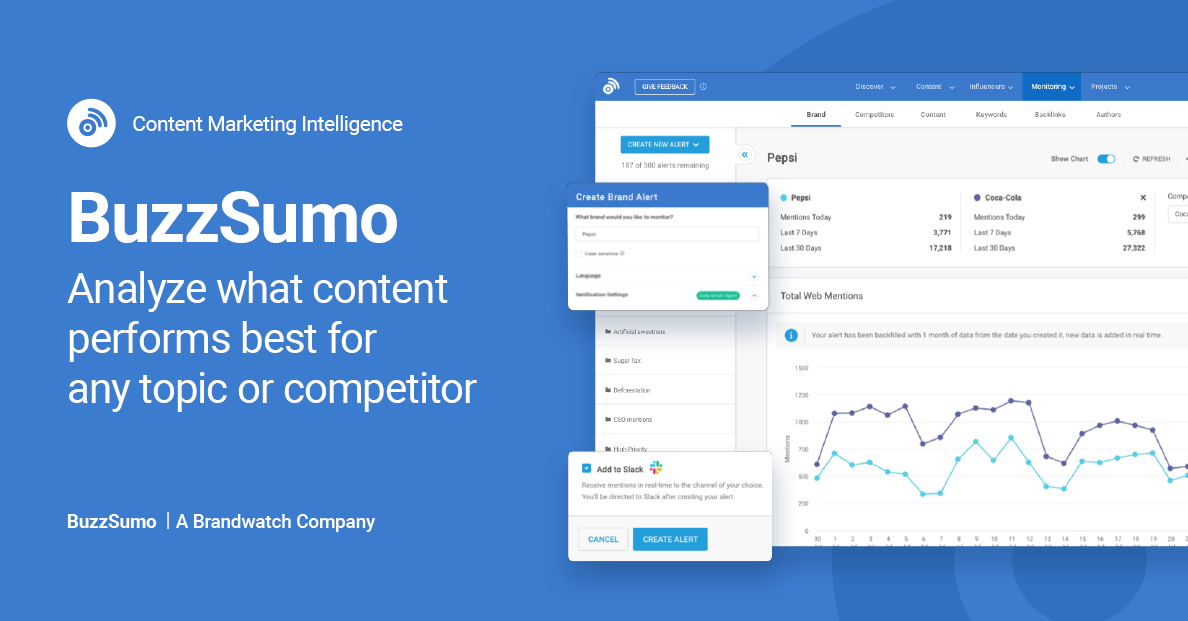
Buzzsumo
Buzzsumo is a useful tool for finding trending topics and tracking what other charities are posting. Stand-out features include:
Straightforward content research and monitoring.
Browse popular questions around a particular topic.
Discover and collaborate with influencers.
Track current backlinks and build new ones.
Final thoughts on social media for charities
Coming up with an effective social media strategy for your charity requires proper planning and consistent execution. Identify the content that resonates with your audience and develop a clear social media policy to ensure all interactions align with your mission.
Keep your registered charity number visible, stay compliant with the Fundraising Regulator Code, and choose fundraising tools that keep 100% of every donation with your cause.
Zeffy's free fundraising platform can help boost your fundraising efforts on social media. No platform fee, no transaction fee. Ever.
UK charities can use any social media platform to connect with their audience, but the right choice depends on who you are trying to reach.
- Facebook: share stories through posts, videos, and photos, and use targeting to reach specific audiences. Strongest reach among the 35 to 65 age group in the UK, according to Ofcom's Adults' Media Use and Attitudes research.
- X (formerly Twitter): join conversations, share news, and use campaign hashtags to spread your message quickly.
- Instagram: share posts and Stories to highlight your work and encourage donations. Strong among 18 to 34 year olds.
- TikTok: reach a younger audience through short, engaging videos. The Charity Commission has noted that trustees should consider the reputational and safeguarding implications of the platform's content environment before committing.
- LinkedIn: share more formal content and reach professionals and businesses aligned with your cause.
There is no single right platform. Start with one or two where your supporters are most active, then expand.
Yes, but not in the same way as a donation made directly to your charity.
When a donor gives in-app via Facebook or Instagram, the donation is processed by PayPal Giving Fund UK (currently the intermediary for Meta charity donations in the UK). PayPal Giving Fund UK claims Gift Aid on the charity's behalf, but your charity does not receive the donor's contact details for follow-up.
When a donor gives via a charity-hosted donate page that you link to from social, Gift Aid is claimed directly by your charity through HMRC Charities Online using a Gift Aid declaration. Your charity keeps the donor relationship.
For most small UK charities, linking to your own donate page from social will deliver more long-term value. (HMRC, Gift Aid guidance)
Finding the right frequency depends on several factors, including your audience, platform, and content strategy.
Start by asking:
- Who is your target audience?
- Which platforms are they using?
- How often do other charities post content?
- How often do your followers want to hear from you? (Use surveys and feedback to answer this.)
There is no single right answer, but consistency and quality are what matter most. It is better to post three times a week reliably than daily for a fortnight and then go quiet.
Look for people who attend related events, follow relevant Facebook groups, or subscribe to aligned newsletters.These aren’t just potential donors—they’re your future advocates.
Look for people who attend related events, follow relevant Facebook groups, or subscribe to aligned newsletters.These aren’t just potential donors—they’re your future advocates.










.webp)

